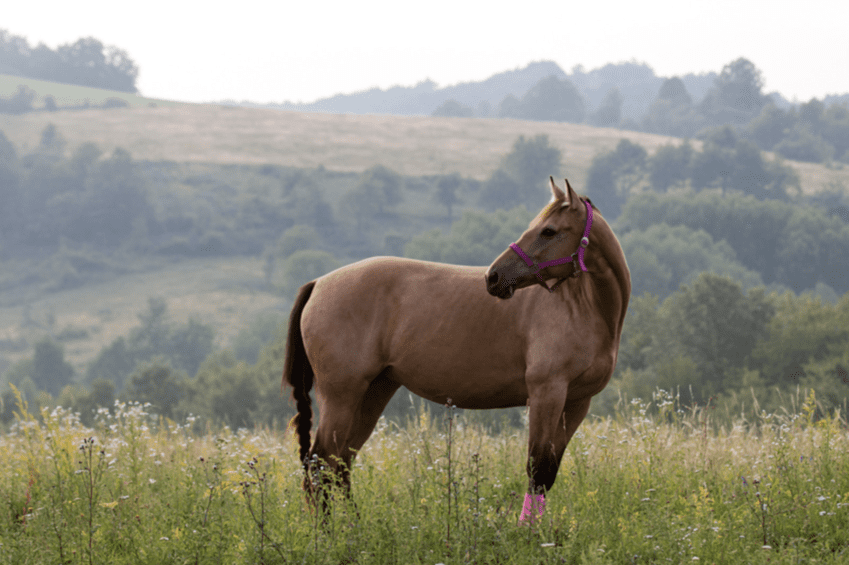
Horseback riding, especially in the competitive world, is often seen and participated in as an individual sport. Of course, the horse and rider are a team, but for most equestrian activities, it’s just you two against the world. Not all equestrian sports are solo acts, though, there are a couple that involve multiple horses and riders for performances or competitions. Participating in team-based horseback riding events is a great way to not only make other like-minded friends, but to also challenge you and your horse in a way that individual competition can’t. Learning to coordinate multiple horses and multiple riders is no small feat, but can be thrilling and mesmerizing to watch or compete in once you have it down.
Here are just a few examples of team-based horseback riding events for you and your horse to make some new friends and challenge your own partnership as horse and rider; you’ll deepen your bond and understanding of each other, but you might even have some fun doing it.
Team Roping
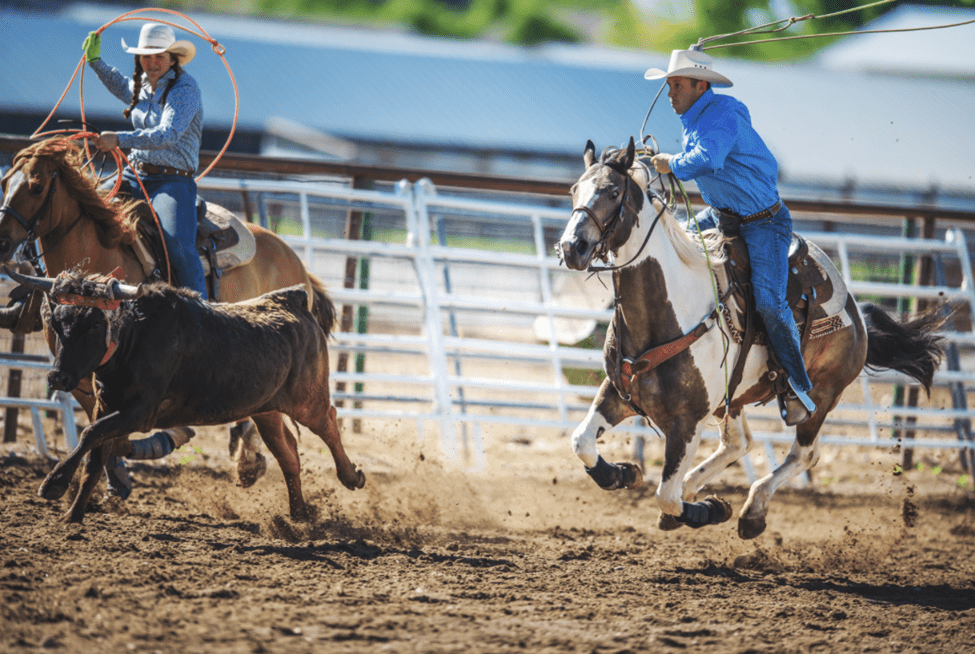
Arguably one of the most well known team events in the western horseback riding world, team roping is a great example of sportsmanship and teamwork as an equestrian. This event requires precise training for both horses and both riders, and they often commit hundreds of hours to the sport.
The idea is that a steer is in a shoot (small pen with a gate that can open on command) with one horse and their rider on either side, so two horses and two riders in total. The steer gets released, and both horses have to wait until this happens to break through their own barrier: a very small thin rope that falls away when hit by the force of the horse’s chest but makes sure that neither horse left their respective pens prematurely.
One rider then has to rope around the steer’s neck while the other rider must successfully rope both hind legs of the steer. Once they have successfully roped the calf at both ends, the two horses must face each other and the steer with the ropes pulled taut to show the success of the catch. The steer is unharmed and is immediately let go once the task is complete. The event is based on the accuracy of the rope and the time of completion, with penalties added for premature exits of the horses from their pens and failed or partially failed roping of the steer (for example, a penalty is added to the time if only one hind leg is successfully roped instead of both).
This is an event that dates back centuries in the rodeo world, and requires a strong team of both horses and riders to communicate and compete successfully.
Cutting
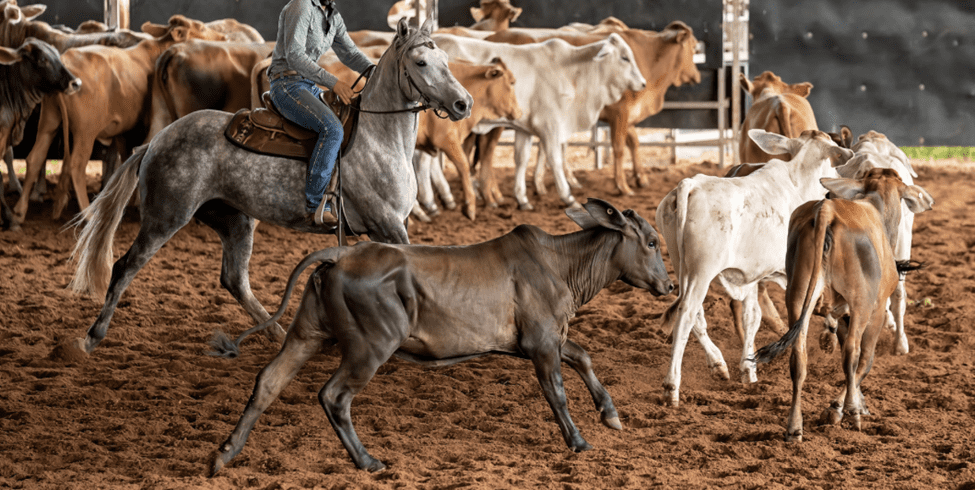
If you’ve never had the privilege of watching a cutting horse at work, you’re missing out. Horses trained in this discipline are some of the most agile, quick-footed animals you will ever witness. The event relies on a horse’s natural “cow-sense” instinct to keep a herd of animals together, and the long history of horses conducting ranch work. Quarter horses, naturally, are often the most ideal breed for this event given they were bred and perfected to do just this.
Cutting was first performed as a competitive event in 1898, so the traditions go pretty far back. The idea is to separate two cows or steers from their herd in under two and a half minutes, which is no simple task. This is often judged as an individual sport, but requires a total of 5 riders, hence the team aspect of the competition. While one horse and rider are being judged on their abilities to communicate with each other and anticipate a cow’s movements enough to herd them away from the rest, two other horses and their riders, known as turnback riders, have to keep separated cattle from running back into the arena while the other two horses and riders, known as the herd holders, keep the remaining cattle bunched together.
Ideally, when performed correctly, the cutting horse appears to rely on their own sense without much input of control from their rider. In fact, you will often see the riders drop their reigns entirely, and trust their horse to do the work. Speaking of trust, though, one of the ways to be eliminated from a cutting competition is too much interference from the other riders. The whole team has to work together to know when to interfere, when to back off, when to trust their horses, and how to communicate effectively. While this is a sport that judges the individual cutting horse and rider, it is entirely a team effort to pull the competition off successfully.
Equestrian Drill Team
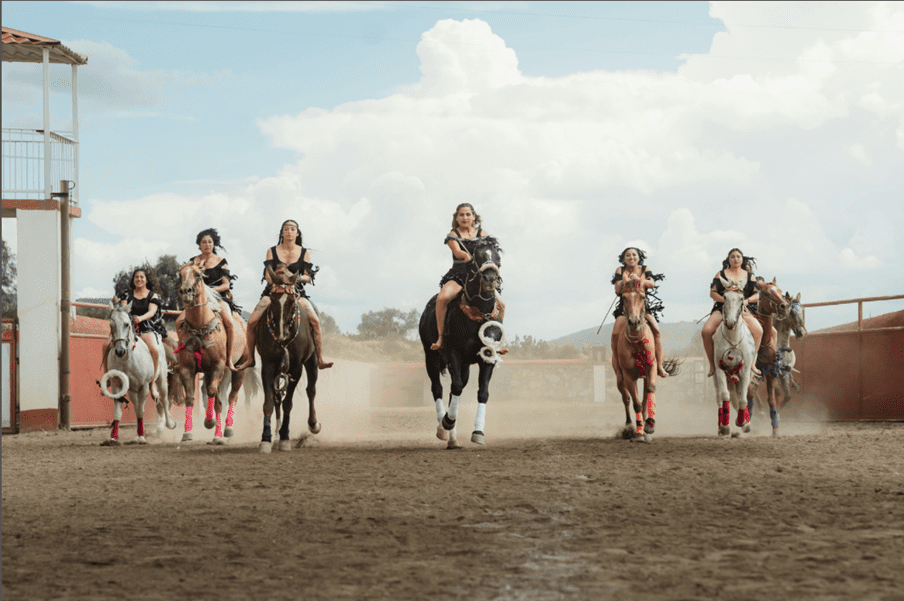
If you’re someone that loves music and to perform just as much as you love horses, you’ll love this event. Equestrian Drill teams are performances put on by horses and their riders to the beat of music or to tell a particular story. These performances are choreographed masterpieces that rely heavily on teamwork between both horse and rider as well as the coordination of everyone performing together. These performances are focused on precision, timing, and speed throughout the choreography and require extensive hours of practice to master just one routine fully.
There are designated equestrian drill team competitions, and can often be seen at larger rodeo events, fairs, or specialized drill team competitions. There are many complicated maneuvers to be mastered in a performance, often conducted at high speeds and risks of running into each other, so exceptional teamwork, trust, and communication are essential.
Being on an equestrian drill team requires a great deal of trust and control in yourself and your own horse as well as everyone else’s. Don’t let the incredible fashion of these teams fool you, they’re some of the most skilled horse and rider teams you’ll witness that day.
Frequently Asked Questions
1. What are team-based horseback riding events?
Team-based horseback riding events involve multiple horses and riders working together in competitions or performances.
2. Are team riding events only for advanced riders?
While experience helps, many events offer beginner to intermediate participation levels depending on the discipline.
3. How does teamwork benefit horse and rider?
Teamwork improves communication, trust, and coordination, which can enhance both performance and the horse-rider bond.
4. How do you train horses for team events?
Gradual practice, positive reinforcement, and focus on communication and coordination are key.
5. What are the benefits of team riding?
Team riding builds trust, improves skills, fosters social connections, and creates exciting, rewarding experiences for both horses and riders.