
Imagine you’re going to buy a horse for the first time and the photos you’ve been shown portray a gorgeous bay with three socks. However, upon arrival, you are presented with an equally gorgeous bay horse who has three coronets, not socks. This isn’t necessarily a common occurrence, but it’s not unheard of. If being able to identify horse markings isn’t a skill that you have, it could make the equestrian world harder. Even veterinarians and trainers will ask you about your horse’s markings, and it’s important that you can describe them correctly for safety and verification purposes. Plus, it’s fun to know all the different kinds of markings out there.
Each and every horse that you come across is a unique individual with a distinct personality, but their physical markings can amplify what makes them so special. Sometimes, a horse’s markings can help their owners identify them from other horses that may be the same color, but it’s also good to understand all the different markings so you know what to look for. This is by no means a comprehensive list, but here are a few of the most common markings to look out for.
Facial Markings
A horse’s facial markings can certainly be some of the most striking and are likely to be the unique trait you notice about them first.
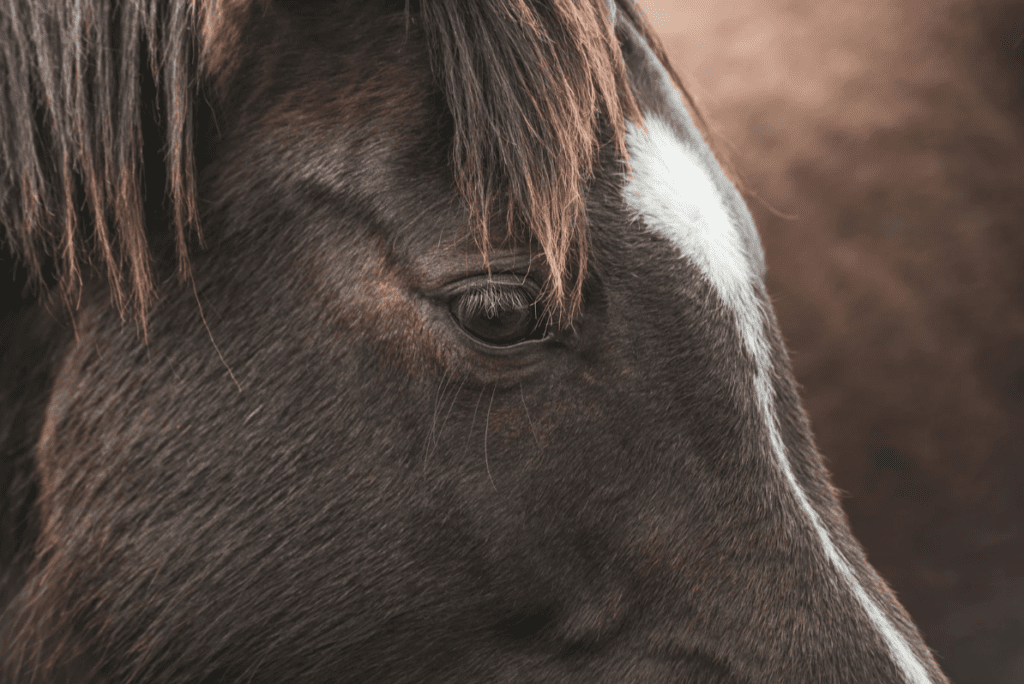
Blaze
The blaze is most likely the term you’ve heard if you know a bit about horse markings. A blaze is a a long white strip that goes straight down a horse’s face and tends to be a pretty broad or thick line. The shape of the blaze is as unique as the horse itself, and is known to create some pretty striking faces!
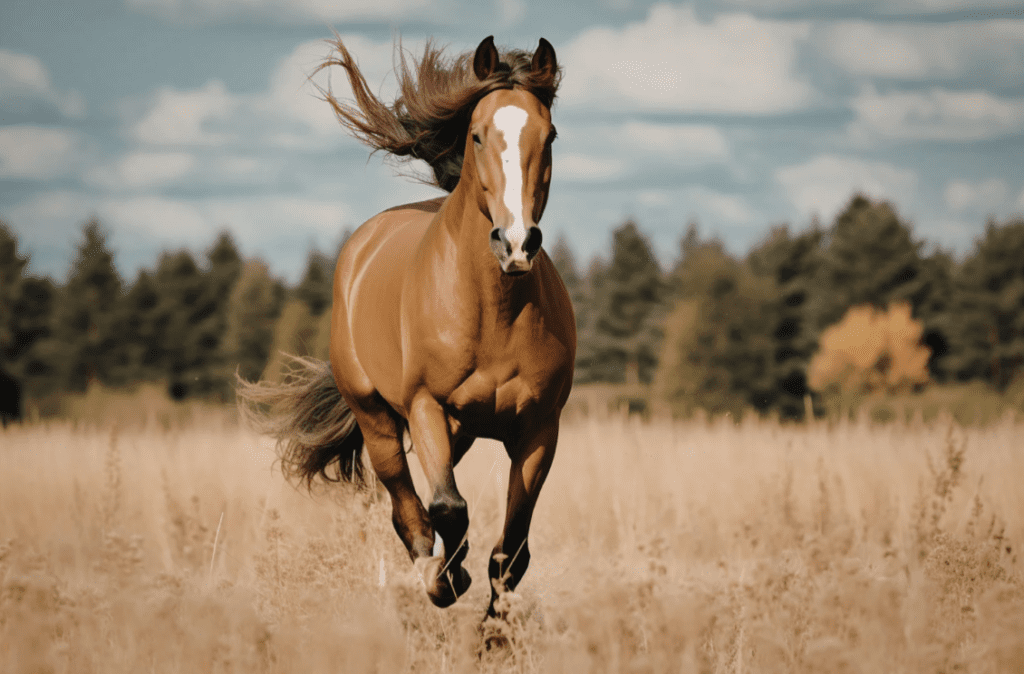
Star
This is another more common term that you might have heard before, especially if you’re a fan of the original Black Beauty. A horse with a star is a horse with a white patch only on its forehead between the eyes. It doesn’t necessarily take the shape of a star, some can be close to a diamond shape, but others are more round or oval. As long as the placement is the same, then that horse is a star!
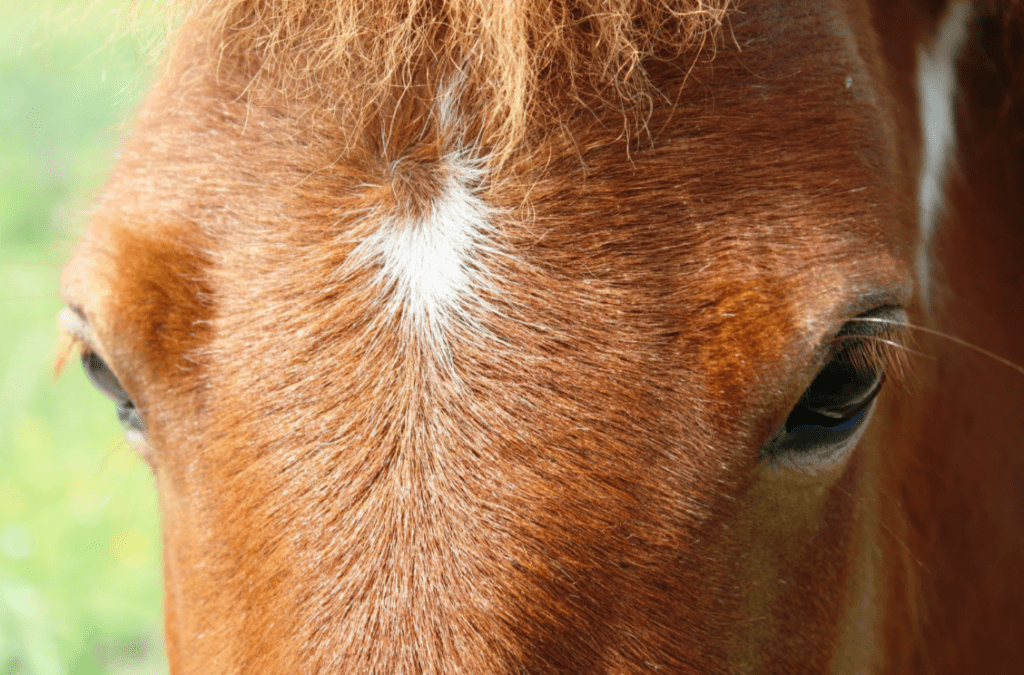
Stripe
This is where distinctions can get a little complicated in the world of horse markings. It’s very common for stripes to be confused as a blaze because frankly, they are essentially the same thing with a gray area to separate them. A stripe is still a white line that goes down the middle of the horse’s face, but it tends to be a relatively thin line compared to a true blaze. It’s also common for it to appear as a combination of a star and a blaze, as the thicker portion does tend to sit on the forehead and get thinner down the nose. To the untrained eye, this one is tough to spot if you don’t know what you’re looking for.
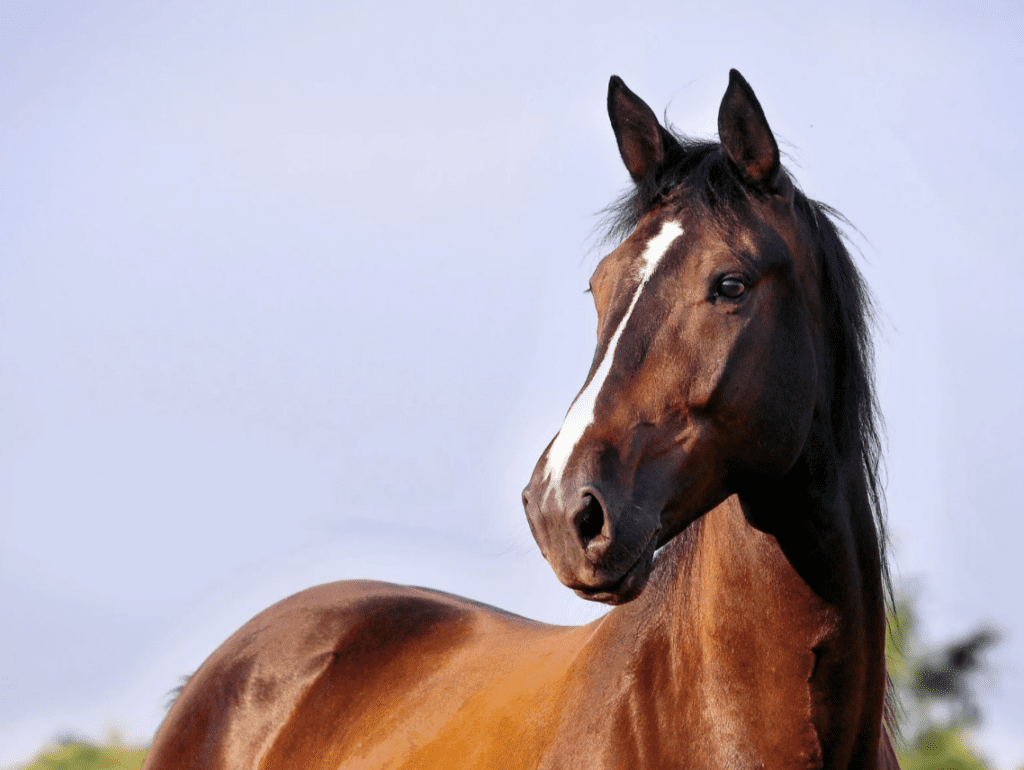
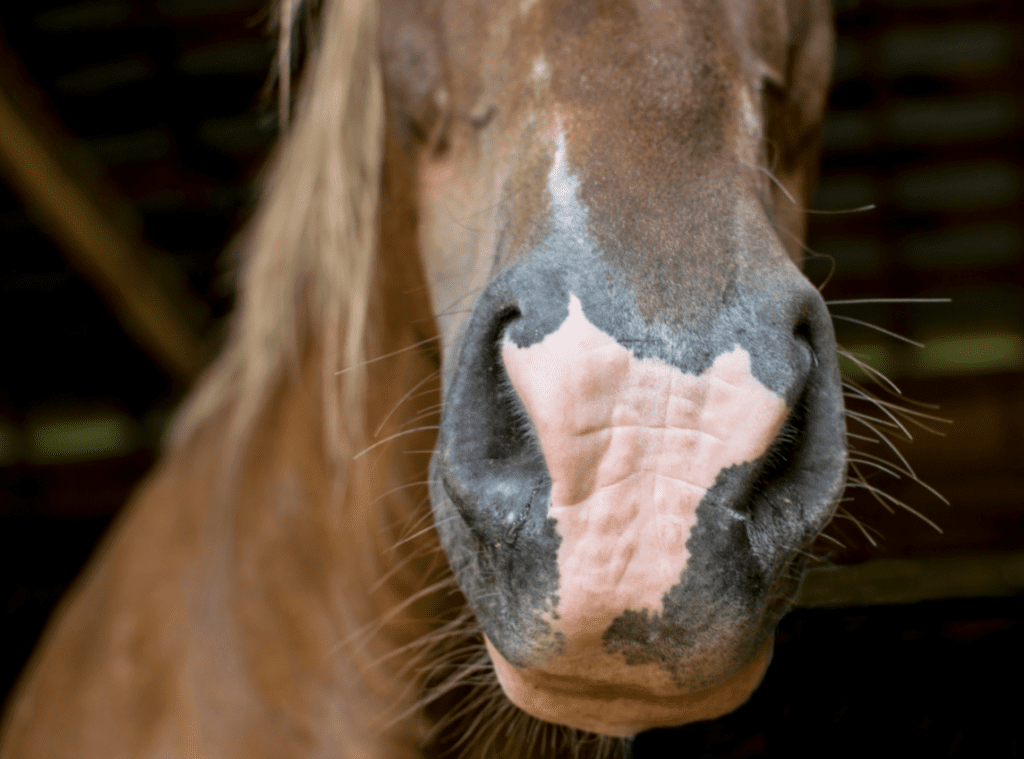
Snip
A snip is a horse marking on the nose between the nostrils. This is simply a white or pink-ish colored patch that doesn’t go higher than the nostrils but sits on that soft muzzle part of a horse’s face. Many stripes, mentioned above, will also morph into a snip on the nose, but not all. Some horses will only have a snip but an otherwise bare face, each one is completely unique
Leg Markings
Leg markings are, you guessed it, identifiable markings on the legs of horses. Some horses may have one leg with a marking, some have all four, and others have none, but there are still some differences in what each horse may have.
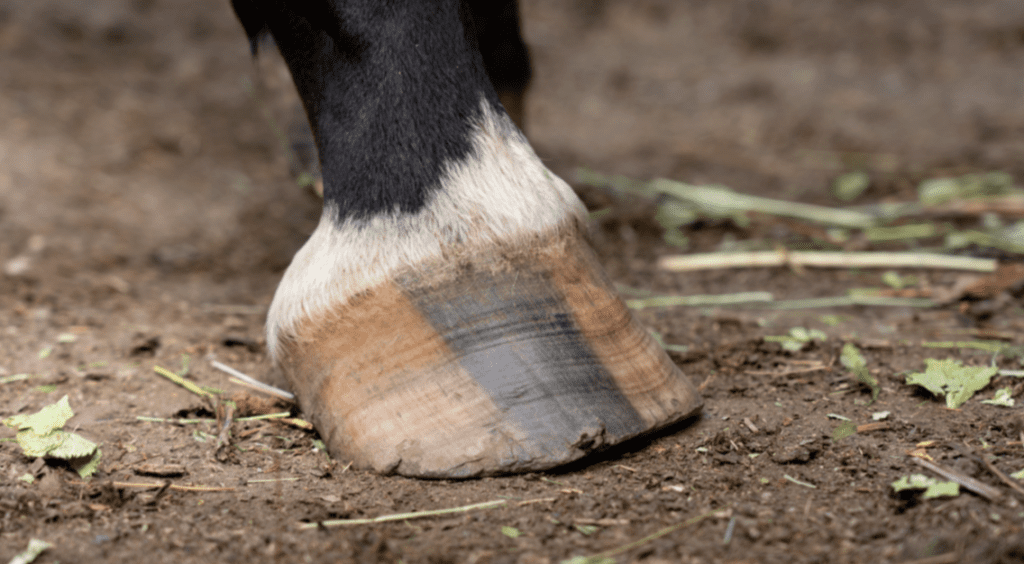
Coronet
A Coronet marking, or sometimes referred to as a coronet band, is a white marking on a horse’s leg just above the hoof but below the fetlock. If you aren’t sure what a fetlock is, it’s the first joint above the hoof that many people refer to as the “ankle” joint of a horse between the hoof and the knee. These are usually very thin white lines.
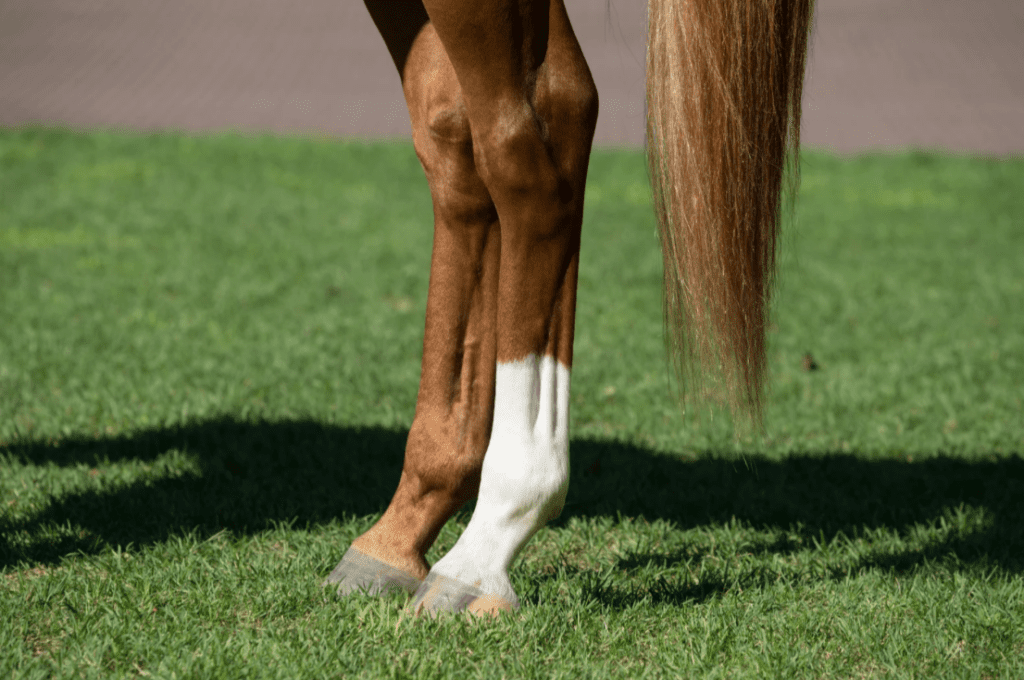
Sock
This is a term you may have heard before, and it looks a lot like it sounds! A horse with a “sock” describes a white marking on a horse from the hoof, past the fetlock, but below the knee. These come in many unique shapes and lengths, many horses with socks will have a variety of different markings on their legs while some have just one.
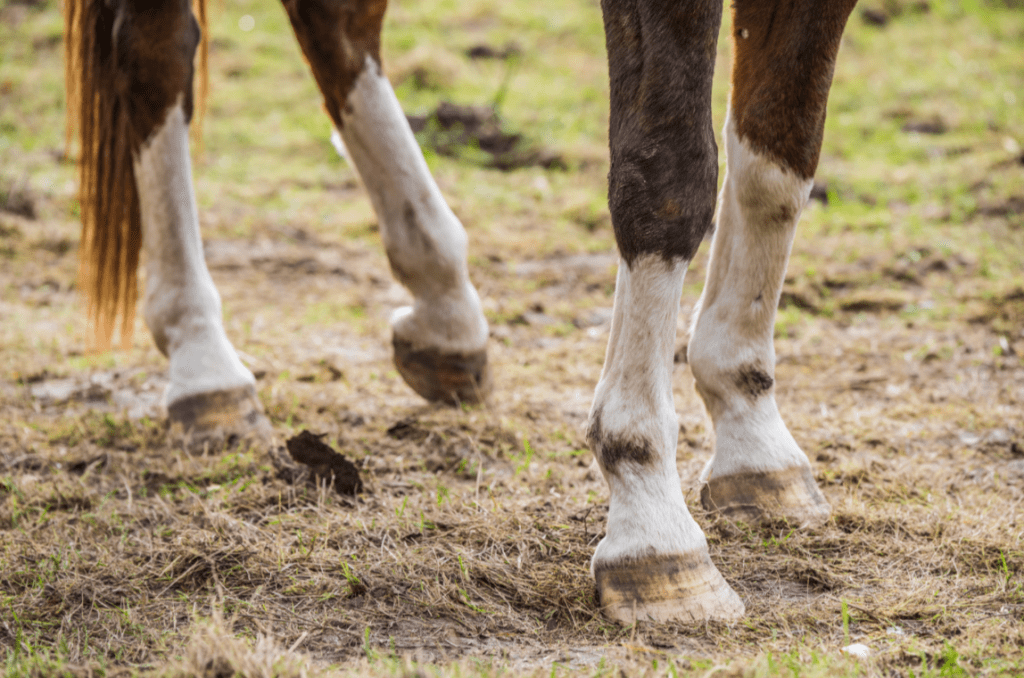
Stocking
A horse with a stocking marking is pretty similar to a horse with a sock, with the distinction being that a stocking goes above the knee or at least reaches the knee joint. Some horses with leg markings will have a combination of all three of these!
Each and every horse is as unique as their markings, but as much as the distinctive beauty of horses deserves to be appreciated, the right horse for you is determined by their beauty on the inside.
Frequently Asked Questions
1. What are horse markings?
Horse markings are distinctive white or colored patterns on a horse’s face, body or legs that help identify individual horses.
2. Why are horse markings important?
Horse markings help riders, trainers, and veterinarians accurately identify a horse and describe them in records or medical situations.
3. Can a horse have multiple facial markings?
Yes. Many horses have combinations such as a star and stripe or a stripe that ends in a snip.
4. Can horses have different markings on each leg?
Yes. Horses often have unique combinations, such as one sock, two stockings, or different markings on each leg.
5. Do horse markings change over time?
Most markings stay the same throughout a horse’s life, though their appearance can change slightly as the horse ages.