
When it comes to horseback riding, the amount of equipment and gear involved can be pretty overwhelming at times. Some horses and their riders have a seemingly simple setup, while others have a color-coded ensemble with so many different parts you wouldn’t know where to begin to put it together yourself. One of the beautiful things about horses is their uniqueness, each one has a different level of needs and comfort to feel their best. The job that a horse does is also an important part in deciding what equipment they might need, so it’s good to know the options available to you when it comes to riding so you’re both prepared and ready for adventure.
The Tack
The relationship between a horse and their rider along with the work that they do together is an enormous factor in deciding what gear you might need. The obvious components are a saddle, saddle pad, and bridle, but what about a breast collar? A second girth? Do you need split reigns or a special stirrup? Let’s break it down together.
Saddle
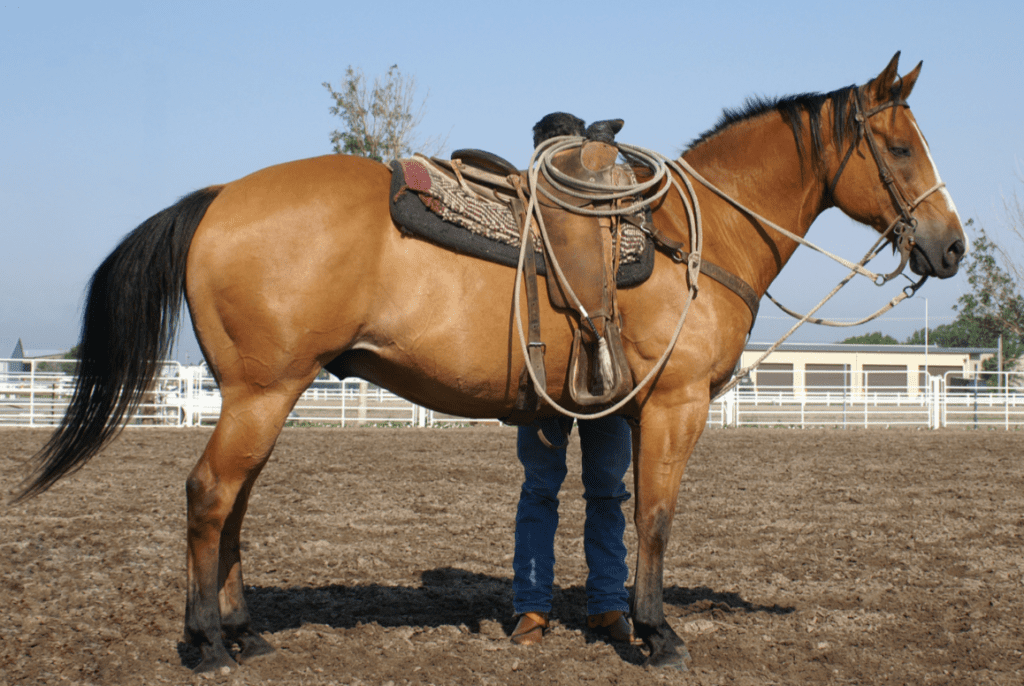
Let’s start with the most obvious piece: the saddle. While plenty of people do ride without one for leisure activities or targeted exercises, most people do prefer a saddle, especially when competing or riding for long distances. There are several dozen different types of western saddles, but if you’re not planning to compete in a specialized event, it’s best to just start with a saddle that is comfortable for both you and your horse while worrying about the different types later.
The western saddles do come in a variety of designs, but for the most part will have quite similar components including the saddle horn, a fairly high front and back, a thick seat, and plenty of cushioning to protect the horse’s back.
Stirrups are the portion of the saddle that your feet rest in while riding, and choosing the ones that are right for you is incredibly important. There are many different styles to choose from, but for the most part, western riders have fairly thick stirrups compared to their english riding counterparts for added comfortability on long rides.
Other components of a saddle that you might consider include:
- Breast Collar – This is a three way strap that connects from the front of the saddle, around the horse’s chest, and between their front legs to the girth. Its purpose is mostly for added stabilization of the saddle.
- Girth – While every saddle does have a girth, sometimes called a cinch, there are many different types to choose from, and it’s very important to not only find one that fits your horse but one that they are comfortable wearing. Some of the more common cinch styles are standard, roper’s, contoured, and asymmetrical that could be made out of fleece, neoprene, leather, or other materials.
- Second Girth – Also known as a rear cinch, this is a second girth that goes around the belly of the horse from the back of the saddle and is also for added stability for intense maneuvers.
Saddle Pad
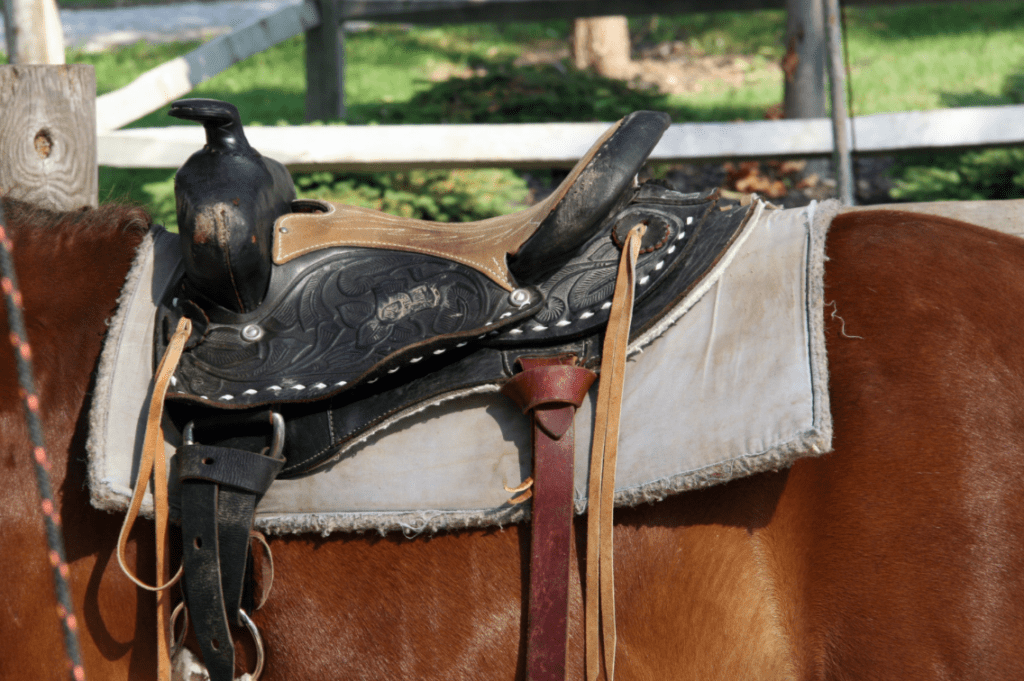
The saddle pad is just as important, if not even more important, than selecting the right saddle. The western saddle is also not a light load on its own, not to mention the rider sitting on top of it. To help mitigate some of the additional pressure and keep the weight spread out more evenly to prevent injury, the saddle pad for western riding is usually pretty thick and well cushioned.
Just like with a saddle or girth, there are many different styles and materials to choose from, and it may take some time to find the one that’s right for you and your horse. Here are some considerations to think about:
- Shape and size – Western saddle pads come in a few different shapes, and this is mostly due to the variety of horse wither sizes that need to be accommodated. If you have a horse with higher withers, you may want a contour or cutout style pad. One of the most important things to consider is that no matter what shape you choose, the size of the saddle pad should be at least 2-3 inches larger than your saddle to ensure the whole saddle is separate from the horse.
- Thickness – arguably the most important aspect of choosing a saddle pad aside from the size, the thickness of a saddle pad typically ranges from ½ – 2 inches depending on the activity.
Bridle
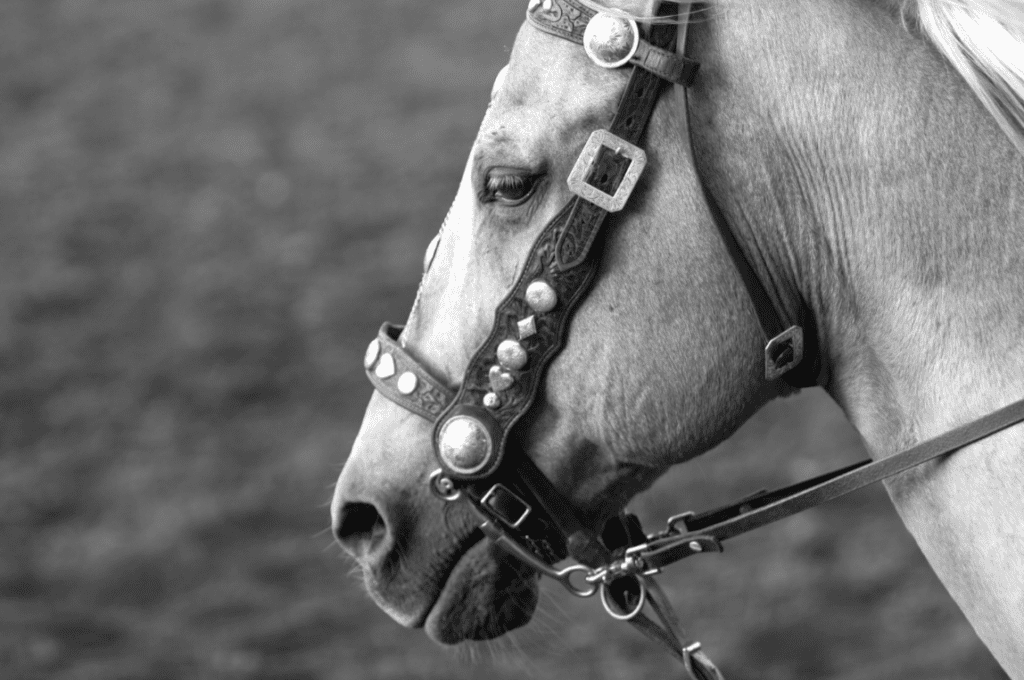
The bridle is the piece that goes on the horse’s head and holds the bit in their mouth. Choosing the right bit is a whole other ball game, but the bridle is important, too. Many bridles include a brow band (that often has some fun bling on it!) and a jaw strap for added stability and security to keep the bridle on.
Along with the bridle, there are many different types of reigns out there to choose from that go along with it. The material and style is entirely up to your preferences and your horse’s capabilities, but here are some of the more common versions of them to consider:
- Roping Reins: These reigns come in many different materials to choose from, but are one continuous loop that connects from each side of the bit around the horse’s neck. Typically in western riding, many people will ride with one hand, so these reins are held in a loop and can be used for neck reining if that is a skill your horse knows.
- Split Reins: These are one of the more iconic pieces of western horseback riding, but they are exactly what the sound like: two separate strips of leather that connect to each side of the bit and into your hand(s) while riding. These are more likely to be used for either personal preference or specialty events like western pleasure.
There are so many different pieces of equipment to consider when it comes to western tack aside from the obvious ones, such as hoof boots for the horse or a tie-down for their head. If you’re ever unsure about what you need or feel that your horse might be uncomfortable, it’s always best to consult with a professional for help in choosing what’s right for you and your horse.
Frequently Asked Questions
1. What is horse tack?
Horse tack refers to the equipment used for riding, handling, and controlling a horse, including saddles, bridles, reins, and saddle pads.
2. Why do western saddles have horns?
The horn was originally designed to help secure a rope when working cattle, though today it also serves as a grip point for riders.
3. What is a saddle pad used for?
A saddle pad provides cushioning between the saddle and the horse’s back, helping distribute weight and prevent pressure points.
4. What is a cinch or girth?
A cinch, also called a girth, is the strap that secures the saddle around the horse’s belly.
5. Does every horse need the same tack?
No. Each horse has different needs depending on their body shape, activity, and comfort level.