
When it comes to humans bonding with a dog, there are numerous signs that they feel affection and attachment for their people. They greet you even after just a few minutes apart with the biggest tail wags they can muster, they lean on you to show affection and share their most prized possessions with you. Science has even confirmed that upon being reunited with their humans after time apart, dogs release oxytocin (aka, the “love” hormone), indicating their deeply rooted bond with their people.
However, when it comes to horses, this deeply rooted bond may not be as obvious or straightforward. They are wildly different animals with different purposes in their bonds with humans, and perhaps most importantly, horses are a prey animal. This means that they naturally are incredibly distrusting for their own safety. They also show affection in entirely different ways that are sometimes more difficult for humans to discern as signs of bonding. However, despite their more reserved nature in comparison with canine companions, there are many behaviors you might be missing that indicate a horse is bonding with you.
History of Humans and Horses
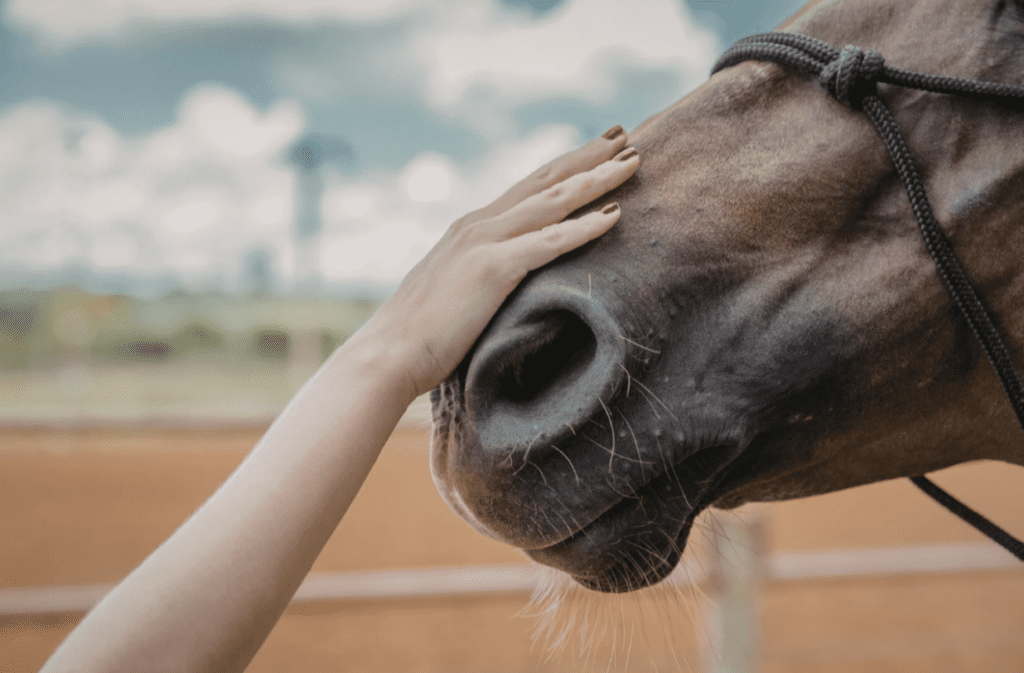
Our relationship with horses has evolved significantly over the thousands of years we have spent forging a bond and working as a team. Horses started out as a form of livestock and were domesticated for their uses in travel and herding other animals. Today, while these are still jobs that some horses have, our relationship with horses is based more on sportsmanship and pleasure than physical reliance.
Due to this evolution, our abilities to understand horses and work with them has altered significantly, and we are far more focused now on having an adequate relationship with them. We understand best training practices, ethical caring methods, and how to meet their needs depending on the individual. We also understand the distinct personalities that horses can have, and how the purpose of different breeds can influence their behaviors.
What does this mean for humans and horses bonding? First of all, over our long history together we have discovered the incredible therapeutic benefits found in bonding with horses and can understand how deeply sensitive these animals are. It makes us more aware of why they might exhibit certain behaviors and capable of meeting them where they are. Both humans and horses are incredibly social, and the connection between us is mutually beneficial on a fundamental level.
They also became reliant on us over our history together and mutually benefit by bonding with humans since we provide them with protection, food, and shelter in return for their companionship.
How Horses Show Affection
As prey animals, trust is a difficult feeling for horses to have, but allows us to bond deeper than previously thought once it’s achieved. Trust is built over time, with mutual respect and understanding at the forefront of every interaction. Once trust is established between a horse and a human, horses will begin to show their affection for their people in a few different ways:
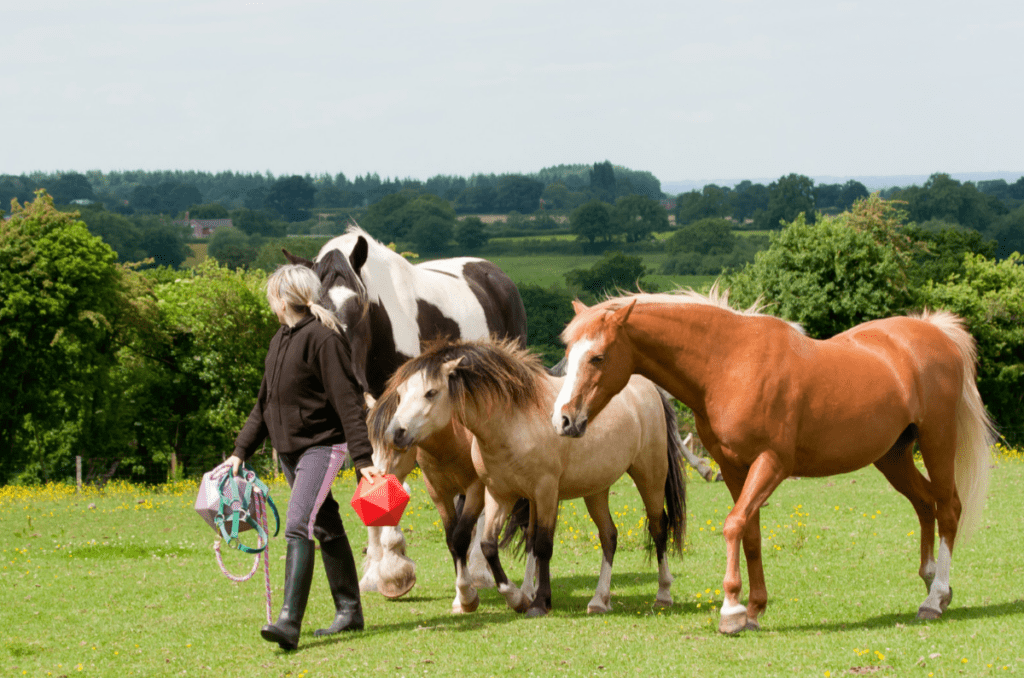
- They will begin following you around everywhere, either in the field, in the stall, or just out and about. Horses, being the social creatures that they are, are also incredibly curious and like to be near their friends to see what they’re getting up to. If you find a horse following you around for no apparent reason, they likely view you as a companion, especially if they choose to hang out with you over their herd. If your horse comes to you when called from the field without forcing you to hike out in the mud to retrieve them, you’ve struck gold, though some horses are just stubborn even though they are bonded with you deep down.
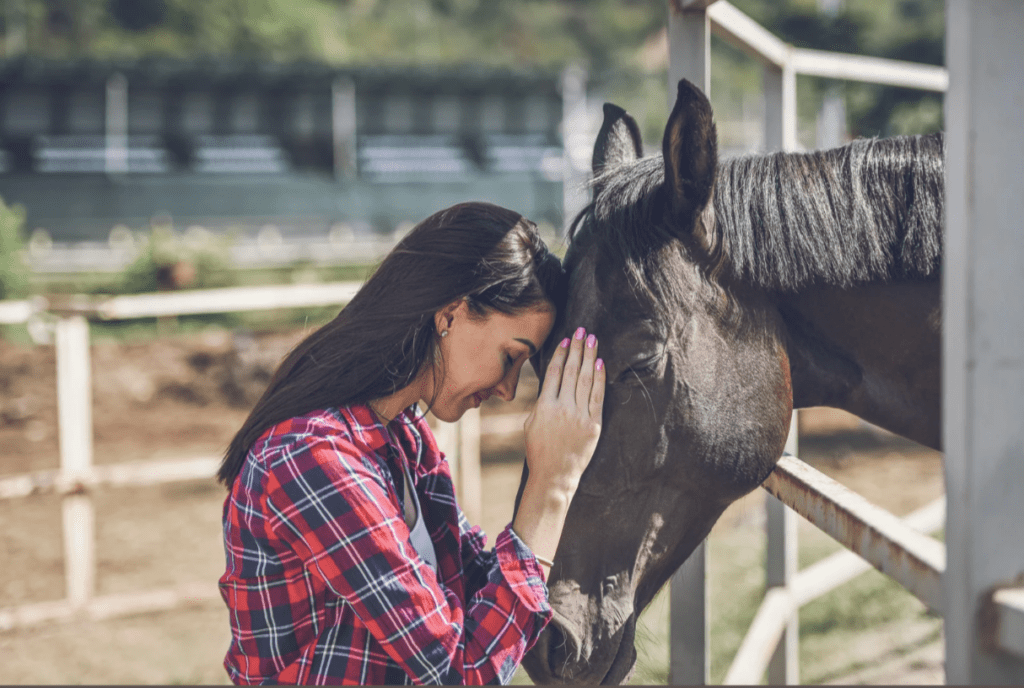
- They are physically affectionate with you. Horses may gently “nibble” at you in an effort to “groom” you or be silly. This is a behavior often seen between horses, but they may use this kind of affection for their humans, too. They may also rest their head on your shoulder, breathe on you, or gently nudge you to get your attention. Horses are very physically affectionate with one another, so if they initiate contact with you it’s a sign of deep trust they feel with you.
- They appear very relaxed around you. Horses, being the prey animals that they are, have to be on high alert at all times, with the only break allowed when one member of the herd watches over while the rest take a quick nap when outside. This is the only true rest that horses get, often not lasting more than one hour total in a full day and night. However, if they show signs of relaxation through head and lip drooping, yawning, closing their eyes, or especially lying down near you, it means they fully trust you to keep them safe so they can rest.
Do Horses Bond with People?
While the signs may not be as straightforward as with other human-animal relationships, there is something to be said for an animal genetically designed to flee and distrust others choosing to be with you, work with you, and learn with you. While there are many factors that can influence a horse’s behavior and explain why they may do certain things, it is clear that there is a deeply rooted bond between horses and their people when trust, mutual respect, and understanding are the foundations of the relationship. Horses do bond with people, and they do feel deep emotional attachments to us, they just show their affections in their own way.
Frequently Asked Questions
1. Do horses really bond with humans?
Yes, horses absolutely bond with humans. While their attachment may not seem overly expressive, horses form deep connections built on trust, consistency, and safety. As prey animals, choosing to feel relaxed and vulnerable around a human is a powerful indicator of emotional attachment.
2. How do horses show affection to people?
Horses show affection through subtle behaviors such as following you around, nudging gently, resting their head on your shoulder, gently grooming (light nibbling), breathing on you, or standing calmly nearby.
3. Can horses recognize their owners?
Yes, horses can recognize their owners by voice, scent, and appearance. Studies show horses have excellent memory and can distinguish familiar humans even after long periods apart. Recognition strengthens emotional bonds over time.
4. Do horses get attached to one person?
Horses can develop stronger attachments to individuals who handle them consistently, kindly, and confidently. However, they are social herd animals and are capable of forming bonds with multiple trusted people.
5. How long does it take for a horse to bond with you?
Bonding timelines vary depending on the horse’s personality, history, and previous experiences. Some horses warm up within weeks, while others may take months or years. Patience, routine, and positive interactions are key.
6. Why is trust so important in horse-human relationships?
Because horses are prey animals, their survival instincts make them naturally cautious. When a horse trusts you enough to relax, follow your cues, or lie down nearby, it indicates they feel safe — which is foundational to bonding.
7. Is bonding with a horse beneficial for humans?
Absolutely. Research and equine therapy programs show that bonding with horses can reduce stress, improve emotional regulation, increase confidence, and strengthen communication skills.