
Have you ever noticed the way a horse will flinch when a fly lands on a singular hair on their body? Has your normally hyperactive, overly-zealous horse ever completely changed personalities when interacting with a small child, suddenly becoming the most calm and gentle animal when they’re around? Does your horse ever seem to get overstimulated by the slightest changes in their environment?
Horses are incredibly sensitive animals in just about every definition of the word. They are incredibly intuitive and observant, seeming to understand more than we often give them credit for. Their ability to notice and feel the slightest details, within their environment, themselves, and you, is one of their most extraordinary abilities. Their sensitivity to both their inner and outer world around them is what makes bonding with them so special, and so healing for those privileged enough to experience it for themselves.

Physical Sensitivity
How and where we touch a horse’s skin is the primary form of communication between humans and horses, especially when riding. We lightly kick with both heels when we want them to move forward, we use the reins on their neck to guide them in each direction, and we give them pets when they’ve done a good job. All of this is a form of communication, and is felt very strongly by the horse.
Horses have incredibly sensitive skin, it can be frequently observed that when the smallest fly lands on them, they not only know exactly which muscle to twitch to get them off, but also exactly where to swish their tails if it doesn’t work. Despite their enormous size, the fact that they can feel something as small and light as a housefly is a testament to their physical sensitivity.
Horses are physically sensitive in other ways, too. They have incredibly sensitive eyes that are able to detect the slightest movement from several yards away, even in almost complete darkness. They also have incredibly sensitive muzzles which hold many of their whiskers, and these are able to differentiate between different foods for grazing, textures, and even vibrations from the ground.
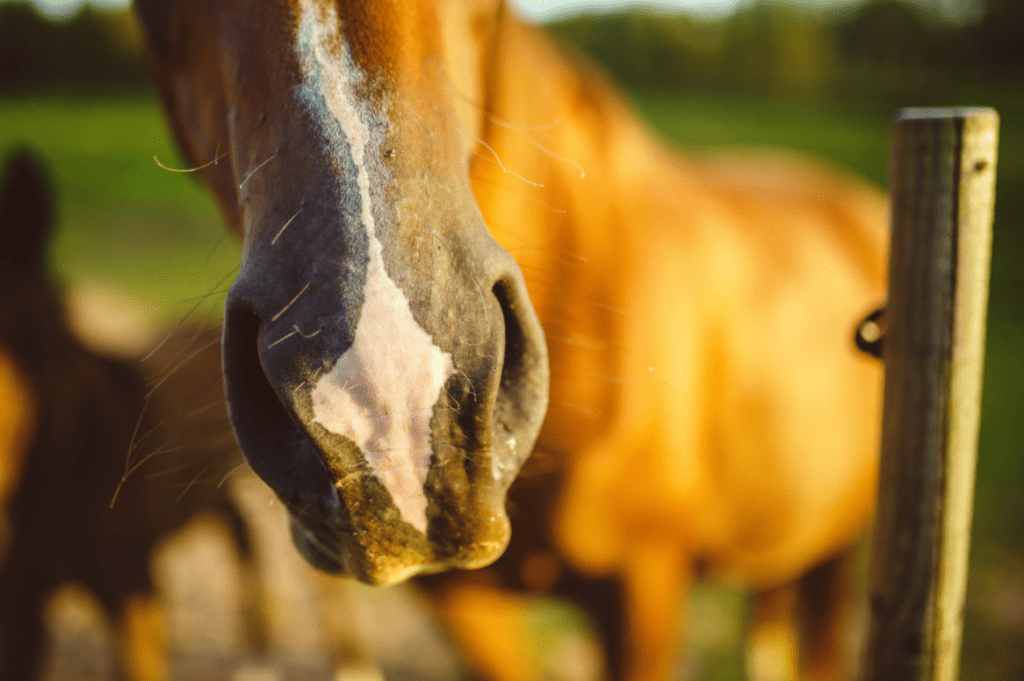
In a physical capacity, horses have a level of sensitivity that we have only barely begun to understand and fully appreciate.
Emotional Sensitivity
The emotional sensitivity of a horse is oftentimes just as obvious as the physical side. Horses are incredibly intuitive to humans’ and other animals’ emotions that surround them and often respond accordingly. As an incredibly social animal, this isn’t necessarily surprising, but their level of sensitivity and response is what makes them so special.
On a biological level, horses are designed to react to the emotions of the other beings around them as a means of survival. If the other animals are frightened by something, horses don’t necessarily need to see or know what the issue is before reacting as they can feel the fear and know something is wrong. This may be why you can often observe your horse quickly change their behavior based on your tone or movement; they may be picking up on something you’re feeling and trying to accommodate for it. They don’t always know what the problem is, but they can notice that there is one and try to respond accordingly.
Why Their Sensitivity is a Superpower
As a combined physical and emotional sensitivity super power, it’s been proven that horses can actually smell your fear. Not only can they sense it through their high emotional sensitivity, but they can also smell the changes in your hormones when you feel afraid or distressed. This in turn can cause them to be distressed as well, but could help explain why horses sometimes start acting out for seemingly no reason: they feel you.
Horses have an incredible ability to pick up on the most subtle cues from their environment and those around them. They constantly seem to have an awareness of their surroundings that we as humans can’t even fathom, nor will we likely ever be able to fully understand. But this ability that horses possess is part of why they are so good at helping us heal.
Horses being able to understand you in a way that can’t always be verbally expressed is a gift that only they can give. Being understood and seen by an animal intuitive and caring enough to notice when you’re feeling off, either emotionally, physically, or both, and change their behavior is a truly remarkable thing to experience. Horses are sensitive enough to know when they need to be more gentle with a young child or elderly person, when they need to be more patient with someone who walks differently or is working on their motor skills to be a more confident rider.
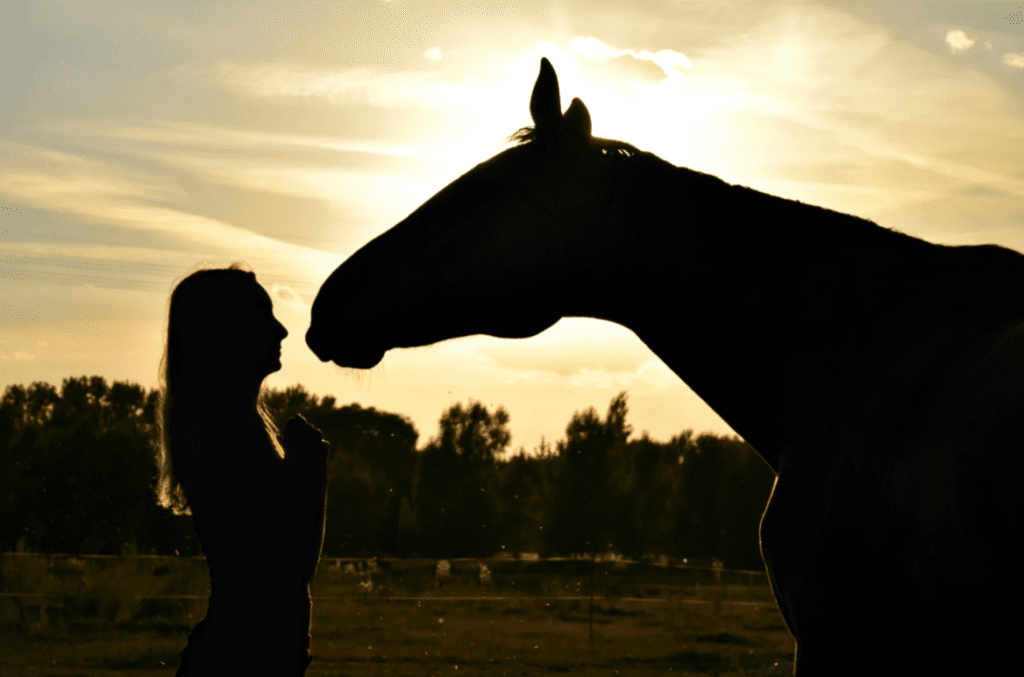
They can feel you physically and emotionally in a variety of ways, and their superpower lies within their intuitive sensitivity abilities. They may not have the right words at the time, but they can show you that they understand what you’re feeling, and you’re not alone in feeling it.
Frequently Asked Questions
1. Why do horses flinch when a fly lands on them?
Horses have highly sensitive skin and precise muscle control, allowing them to detect even the lightest touch — such as a single fly landing on one hair — and react instantly.
2. Can horses sense human emotions?
Yes. Horses are highly intuitive and can pick up on tone, posture, breathing, and even hormonal changes associated with emotions like fear, stress, or calmness.
3. Can horses smell fear?
Research suggests horses can detect changes in human hormones and body chemistry linked to fear or stress, which may influence their own behavior.
4. Are horses sensitive to touch while riding?
Yes. Even small shifts in leg pressure, rein contact, or seat position communicate instructions to a horse. Riding relies heavily on subtle physical cues.
5. Why are horses used in therapy?
Their emotional sensitivity allows them to respond authentically to human emotions, making them effective partners in equine-assisted therapy.