
Why would such a large animal, covered in hair, that lives outside permanently in the wild, ever require a blanket for warmth? How do wild horses survive without them? Why don’t all horses wear them? It can be confusing seeing a horse with a blanket on given these obvious observations, no other farm animals seem to share this sense of fashion. But there are many reasons a horse might need to wear one that depends on a variety of factors including adverse weather, but also what kind of work the horse does or health issues. Horses are sensitive animals both physically and emotionally, so sometimes they just require a little extra support.
Why Horses Need Blankets
Horses have very unique hair on their body designed for a life outdoors in various climates. Their hair is naturally water repellent thanks to additional oils they produce, and they can even grow their hair out when they feel the weather changing towards winter. However, even the most luxurious and well-kempt horse hair isn’t always able to keep up with what life might throw at a horse.
Inclement Weather
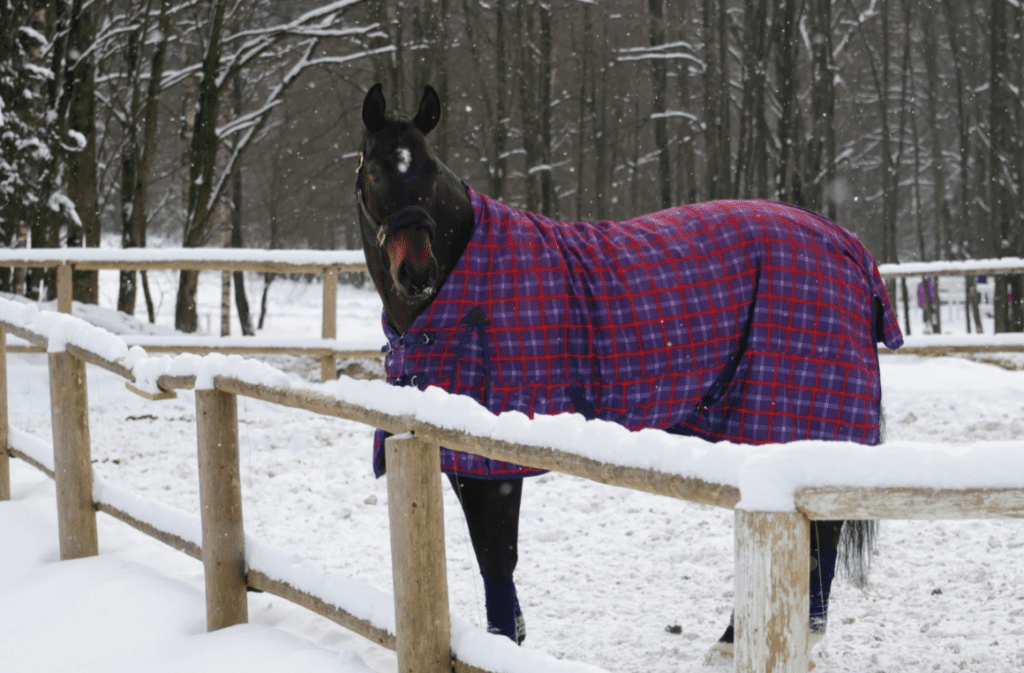
Arguably the most common reason for a horse to wear a blanket is for cold, wet, or even exceptionally windy conditions. You’ll most likely see more horses wearing blankets in the winter, especially if you live somewhere known for snow and ice on occasion. While horses are naturally water repellent and have hair designed to regulate their body temperatures, consistent enough rain or snow can still seep under their hair and give them a chill.
Even if a horse has a built-in winter coat for the colder months, a blanket is sometimes necessary if the weather will remain consistently cold and wet for several days or even hours. Some horses will be brought inside, but this isn’t an option for everyone, so a blanket is there to help ward off the chill to keep them dry and cozy while still grazing outdoors.
Type of Work
For some horses, especially those who compete at high levels, their winter coat has to be clipped off so they don’t get too warm. When a horse has an intense workout or exercises frequently, you may notice that they do sweat quite a bit sometimes. Their winter coat naturally grows as the weather turns cooler in the fall, but this added layer of warmth can actually be harmful to some horses who will continue to train and compete heavily throughout the winter.
Many competitions involving horses take place indoors, so having an additional coat on in an environment that has likely been heated to some extent can cause the horse to overheat. To compensate for this, many riders elect to clip their horse’s winter coat and instead keep a blanket on them when spending time outdoors so they can continue to regulate their body temperatures effectively. If horses are handled with the utmost care, this is often a great solution for working horses that causes no harm to them.
Health Issues
In some cases, a horse must wear a blanket due to health issues. This can be something as simple as old age when they can’t regulate their own body temperatures as efficiently to a temporary illness requiring additional support to feel better. A horse that is sick or injured needs to conserve as much of their energy as possible, so having a blanket to wear and keep them warm can help them be more comfortable but also recover faster.
Older horses and very young horses are more susceptible to these needs, but a horse of any age could require a blanket for a multitude of reasons as there are several different types to choose from.
Types of Blankets
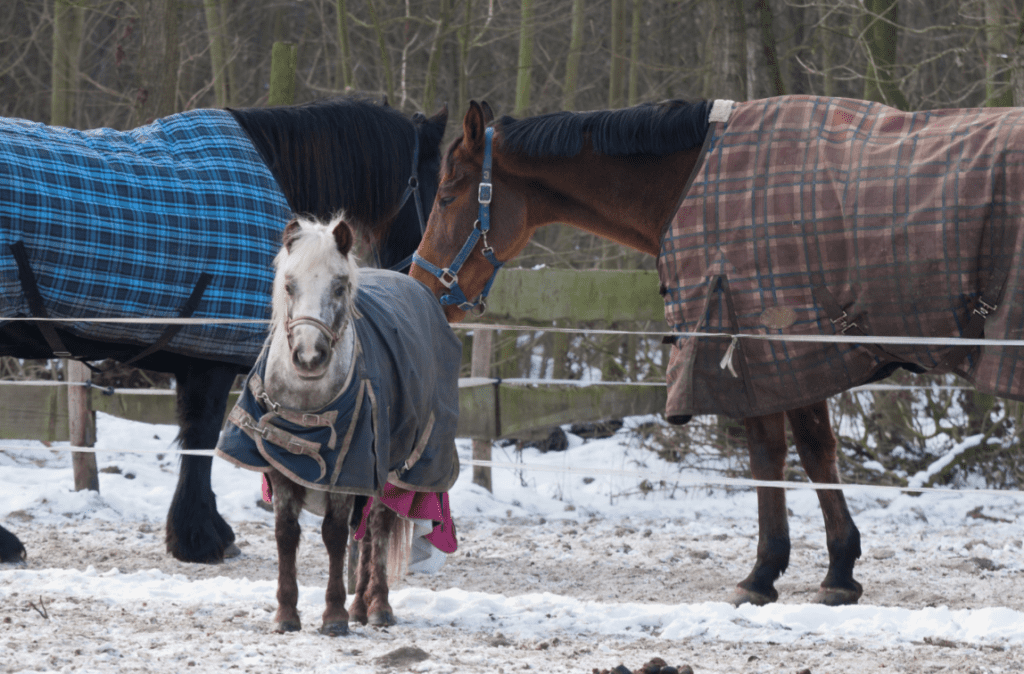
While arguably the most common kind of blanket you may see on a horse is a turnout blanket, the thick, waterproof kind designed to protect horses in outdoor weather, there are actually several types of blankets for different needs. Here’s a quick list:
- Turnout Blanket – Designed for horses who spend a lot of time outdoors in cold, wet, or particularly windy weather. They come in a variety of thickness levels but are nearly always waterproof.
- Coolers – These are a lightweight blanket that are typically used indoors after a horse has had an intense workout or is wet and wants to dry a bit faster. It’s usually made of a thin material and isn’t exactly waterproof, but does absorb water off the horse’s body while helping to regulate their body temperature.
- Fly Sheet – This is a lightweight mesh blanket that horses will typically use in the warmer months when flies and other insects become a bother. These are very breathable and not meant to keep warmth in, but do an excellent job at protecting horses from biting, stinging, and irritating insects that may be bothering them.
- Stable Blankets – These are for keeping a horse warm when indoors, such as a colder barn they may be stabled in. These are typically not waterproof so they’re not ideal for using outside, but they do come in a variety of thickness levels for individual comfort needs.
- Sheets – These blankets are designed for protecting your horse from wind and rain without adding warmth, so these are ideal for rainy summer days when additional warmth isn’t necessary. They are waterproof and often windproof for additional comfort.
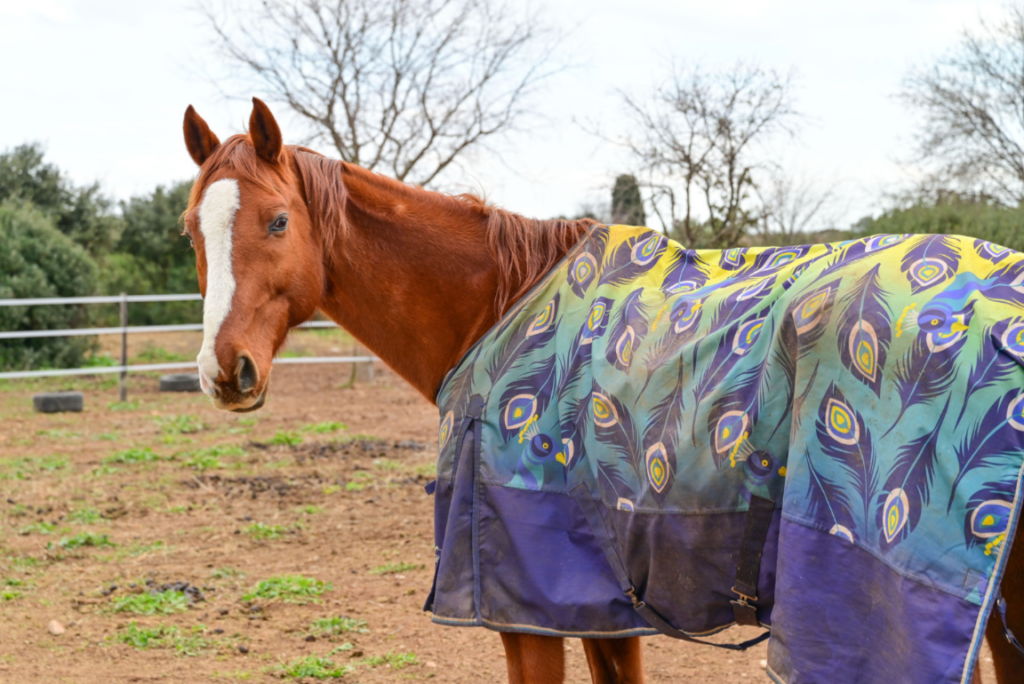
Depending on where you live and your horse’s needs, finding the right blanket for each season can be difficult. You can always reach out to your local experts for assistance in choosing what the best options are for you. The good news is that regardless of what kind of blanket you need, they come in a variety of colors and patterns, so your horse will always have a sense of style when wearing them.
Frequently Asked Questions
1. Why do horses wear blankets?
Horses wear blankets to stay warm, dry, and protected during harsh weather or when their natural coat isn’t sufficient.
2. Do all horses need blankets?
No. Many horses grow thick winter coats and do not require blankets unless the weather, their type of work, or health conditions make it necessary.
3. Can horses regulate their own body temperature?
Yes. Horses naturally regulate temperature through their coat growth and oil production, but extreme conditions can overwhelm them so blankets provide additional support when necessary.
4. Why are performance horses often clipped?
Clipping removes the thick winter coat to prevent overheating during intense workouts or indoor competitions. This is typically necessary for horses who continue to train and compete heavily throughout the winter months.
5. Can rain penetrate a horse’s winter coat?
While a horse’s natural coat is excellent at keeping them warm and dry, during prolonged or heavy rainfall, water can seep through and chill the horse. Adding a blanket can help keep their body temperature regular through adverse weather conditions.
6. Can horses wear blankets year-round?
In some climates, lightweight sheets or fly sheets may be used seasonally, but heavy blankets are typically only used in winter due to the risk of overheating.