
When it comes to working with horses, there is certainly no shortage of jobs to be had. Most people consider being a horse trainer or horseback riding instructor to be about all there is as far as horse careers go, but that couldn’t be further from the truth. You might be surprised just how many transferable skills and roles there are in the equine world, and just how important these jobs actually are in keeping things running. If it weren’t for the highly specialized professionals who care for horses’ feet and teeth, or the people dedicated to the finer details of keeping horse businesses running, the industry would not be anywhere near as vast as it is. While this is still certainly not a comprehensive list of available career options, here are a few more to consider if you have a passion for working with horses.
Farrier
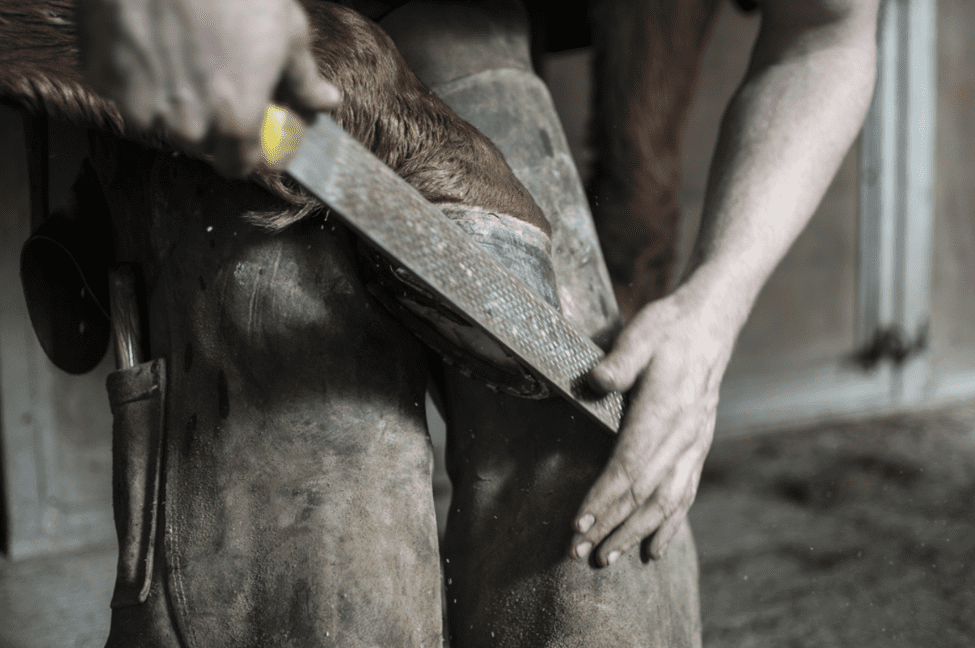
For those who may not know, a Farrier is the specialized professional who takes care of a horse’s hooves. Their job is arguably just as important as an equine veterinarian, and they often have to work together with the horse’s owners to address any health issues and make a recovery plan. Farriers can be what stand between a horse who is completely lame, as in limping or injured, to a horse that is competition ready and feeling their best self.
Farriers have the option of going to specialized schools to learn the trade, or working as apprentices for a time with a more seasoned professional. Oftentimes, they will do a bit of both, but it takes several years to really understand the job. If you’re someone who enjoys physical labor, working with your hands, being around horses, and especially welding, then this might be the career path for you.
Equine Dentist
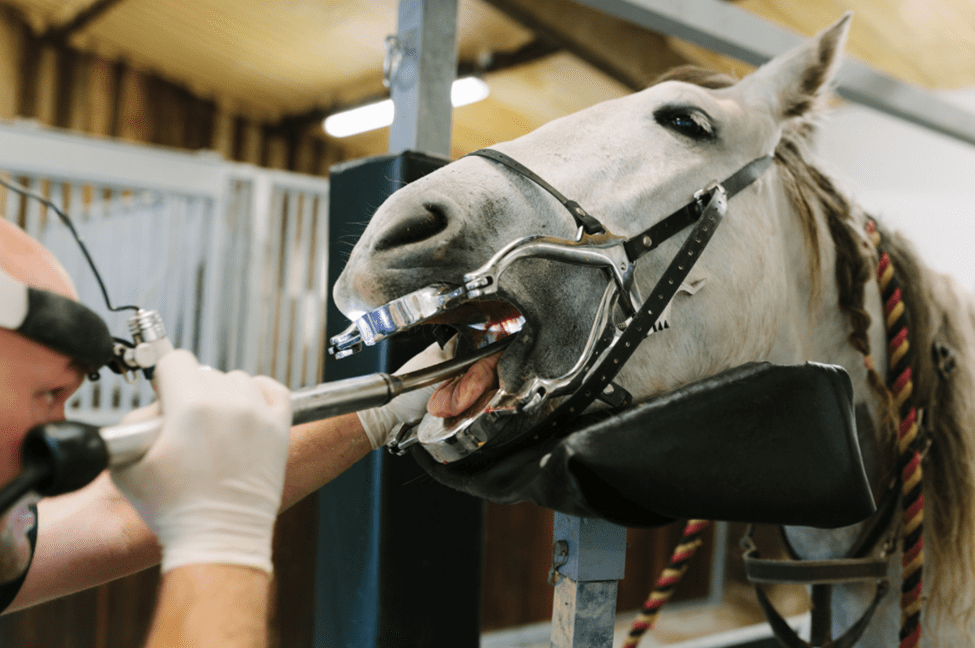
Believe it or not, this is a real job, and an incredibly important one. Horse teeth are actually quite complex and prone to several issues, so regular check-ups are incredibly important to their health. Horses have a very complex digestive system, and are also very large animals, so they have to eat constantly to remain healthy. To give you an idea, a 1,200 pound horse needs to eat anywhere from 15-30 pounds every DAY to stay healthy. However, if they have issues with their teeth, then they likely won’t eat as much as they should and can become sick.
Equine veterinarians have to go through intense, rigorous training programs to become certified in their practice, not to mention several hundred hours of training before they can work on their own. However, if you have a passion for the medical aspect of horse care but don’t necessarily want to be a veterinarian, this can be a great option for you!
Management, Administration, and Marketing
Did you maybe spend your childhood dreaming of a career with horses, but decide to pursue a degree in something like Accounting because it was more “practical”? Well, you’re in luck! The equine world would not go around if it wasn’t for the heroes of the administrative departments paying attention to the finer details. Someone has to crunch the numbers of how much horses cost to keep (spoiler alert: it’s expensive), to send and respond to all the riding lesson correspondence, to advertise and promote the horses and what they do.
Many times, all of these roles are combined into one career referred to as a Barn Manager, the person who oversees the grooms, riders, and students while balancing the paperwork side of running a business with horses. Sometimes, depending on the organisation, there could be multiple people splitting this job in different categories, it all depends on each business and their needs. Either way, if you’re particularly good with numbers or passionate about content creation, the horse industry needs you!

Equine Therapist
Last but certainly not least on our list, being an Equine Therapist is an up and coming career path with so many opportunities the possibilities are endless. There are several different types of equine therapy commonly practiced in the world today, and even more techniques and ideas being explored with it. Some examples are occupational therapy, mental health, and physical rehabilitation through the healing nature and opportunities that horses provide. If you have a passion for helping people and working with horses, this could be an amazing career opportunity for you.
You don’t necessarily have to specialize in just one, but you could choose to primarily work with children who have developmental delays, or adults recovering from PTSD, even specializing with neurological recovery after brain damage is becoming a popular niche in equine therapy. There are very few, if any, people in the world that couldn’t benefit from equine therapy, even if they don’t realize it. You have no idea the impact you and your horses could make on someone’s life and well-being.
No matter what you’re passionate about or what skills you bring to the table, there is a career for you working with horses if you want it. Whether you are just starting out in your career or looking to make a pivot after 20 years, the possibilities are endless.
Frequently Asked Questions
1. What does a farrier do?
A farrier trims and maintains horse hooves, fits horseshoes, and helps prevent and treat hoof-related issues.
2. What does a barn manager do?
A barn manager oversees daily operations, staff, horse care schedules, finances, and administrative tasks among other duties.
3. Do barn managers work with horses directly?
Yes, many barn managers both manage operations and assist with horse care and training.
4. What is equine therapy?
Equine therapy uses horses to support mental, emotional, and physical health in people.
5. Can you work in the equine industry with a business degree?
Yes, roles in administration, marketing, and finance are essential in horse businesses.
6. Can you switch to an equine career later in life?
Yes, many professionals transition into equine careers after working in other industries or obtaining a seemingly unrelated degree. You’d be surprised how many transferable skills from other careers there are in the horse industry!