
Horses are an incredibly majestic animal, with each one exhibiting their own unique traits, both physically and in their personality. No two horses are the same, just as no two people are the same. A horse’s coat color is one of the most identifiable features they possess, and there are several dozen different colors recognized worldwide. While some exhibit very clear differences in their coloring, there are a few that can get easily mixed up due to their similarities.
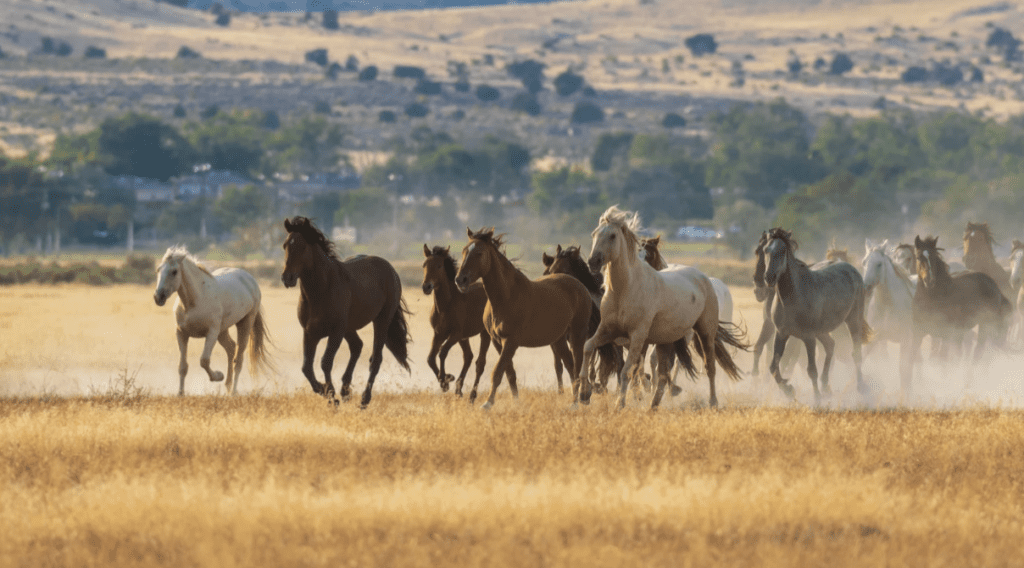
Types of Breeds and Their Colors
Some horse breeds are distinctly known for only one color, there is no variety in their coats or markings. For example, nearly all Friesian horses are completely solid black with no distinct markings. Not only is a completely black horse actually rare to find, but so is a breed that is known for just one color. Another example is the Cleveland Bay which, naturally, pretty much only comes in the bay color with no white markings.
There are other breeds that are known for a particular style or pattern of coat but may exhibit many colors. One such example is the well known American Paint Horse, which has a distinctive white color pattern on top of a solid base color. The base color can be anything from black to buckskin with several in between, and have a solid 1:1 ratio of color to white markings or be the majority of one or the other.
Another well known example of a breed with a distinctive pattern but variety of colors is the Appaloosa. While the Appaloosa is known for a spotted pattern, the size, orientation, number, and colors of spots all vary widely across the breed. Some horses have big spots that look like leopard print, some have tiny freckle-like spots all over them, and some only have a few spots near their rear end if any at all, known as a spotted-blanket. The colors and patterns vary wildly, but the breed is still a genetic distinction of its own.
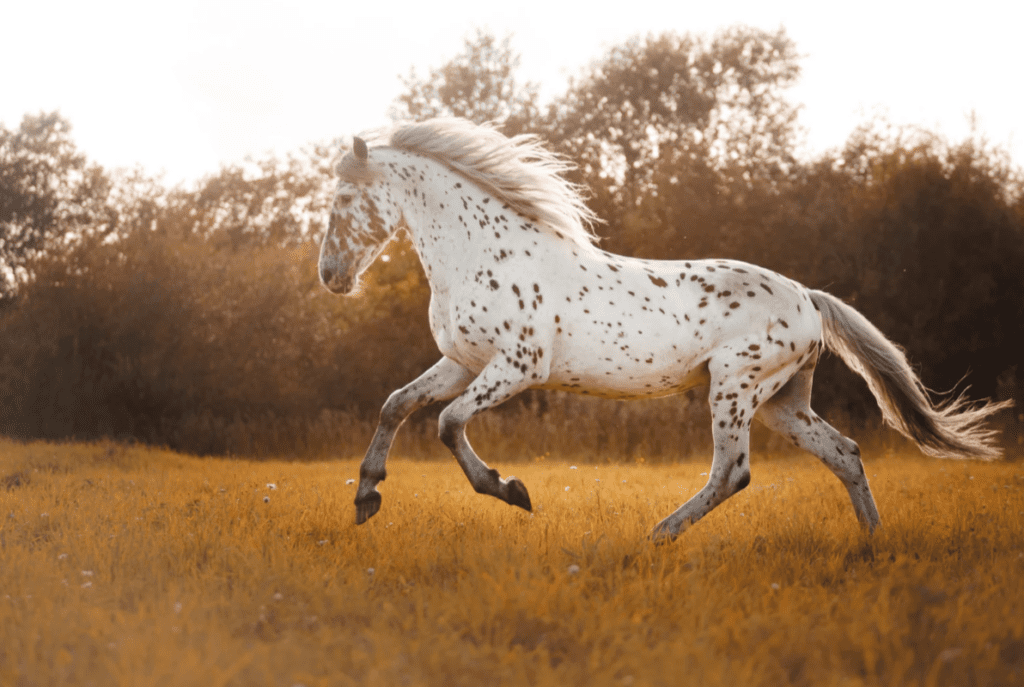
Despite the specifics of some breeds, most horse breeds come in a wide variety of colors and patterns. They may exhibit traits from other breeds and their patterns, but still remain completely different on a genetic level.
Common Misconceptions in Horse Colors
The most common colors you might come across are often variations of the same few colors, just with distinct characteristics.
Palomino vs Buckskin
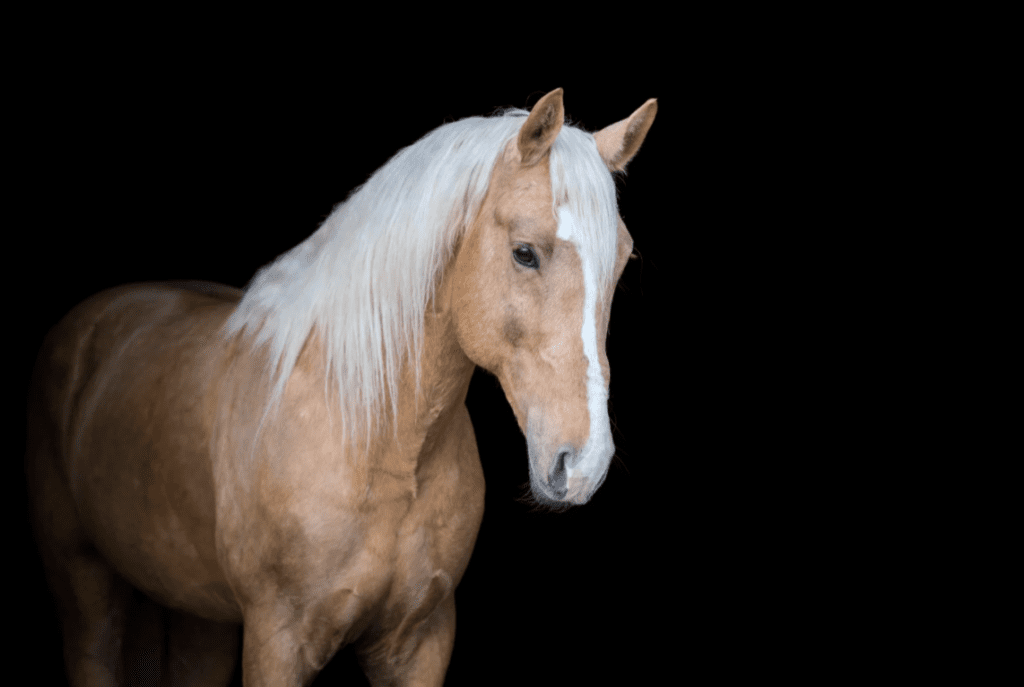
One example of this is a palomino horse next to a buckskin color horse. Both of these horses have a light cream to nearly yellow color in the body, but have one clear difference:
- A palomino horse has a light cream to white colored mane and tail:
- A buckskin horse has black on its legs and ears along with a black mane and tail:
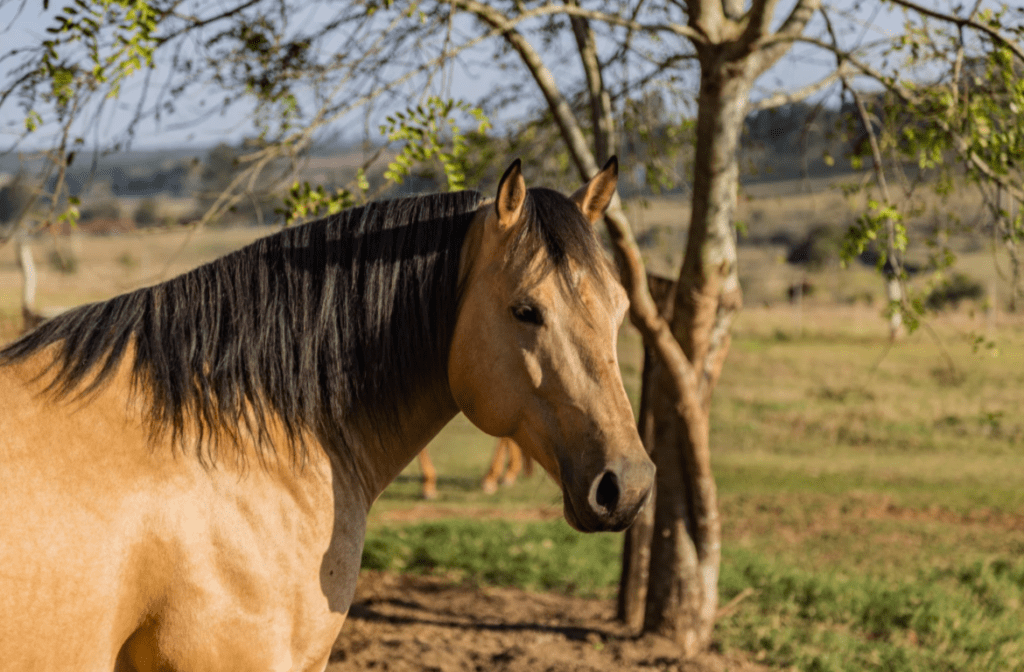
Even though they look very similar in color on their body, their mane and tail especially sets them apart.
Chestnut vs Sorrel
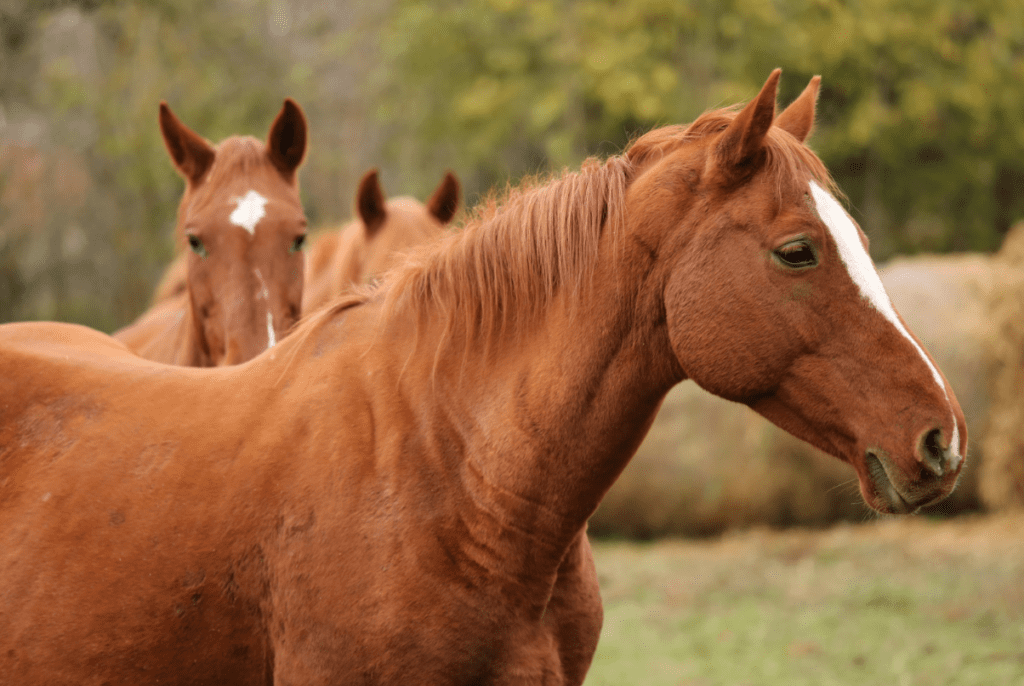
Another common color is chestnut, or for those of us in the western world, also a sorrel. The chestnut color is any variation of a reddish-brown in a horse with no black hairs, but they do often have white markings on their legs or face. The “sorrel” distinction is used to describe specific shades of chestnut, notably the brighter reds with copper tones as opposed to “chestnut” being reserved for the darker shades.
The sorrel distinction is not widely used outside of the western world, but is an incredibly common color to see amongst quarter horses. Chestnut as a whole, on the other hand, is one of the most common colors seen across most breeds. However, each horse is still very unique, and many will have distinct white markings to tell them apart.
Grey vs Roan
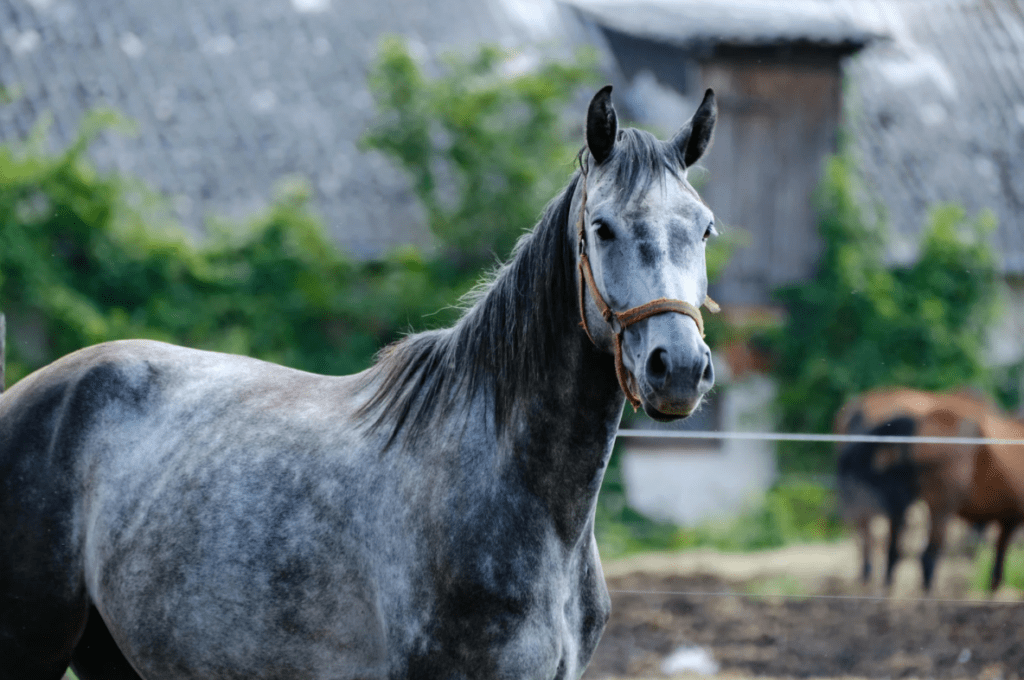
If you catch them at the right stages of life, these two colors won’t be easily confused. When a grey horse is first born, they are nearly always one solid color that slowly fades as they get older. Many of them will appear grey most of their life before eventually fading to white in old age, though some do hold onto a little color.
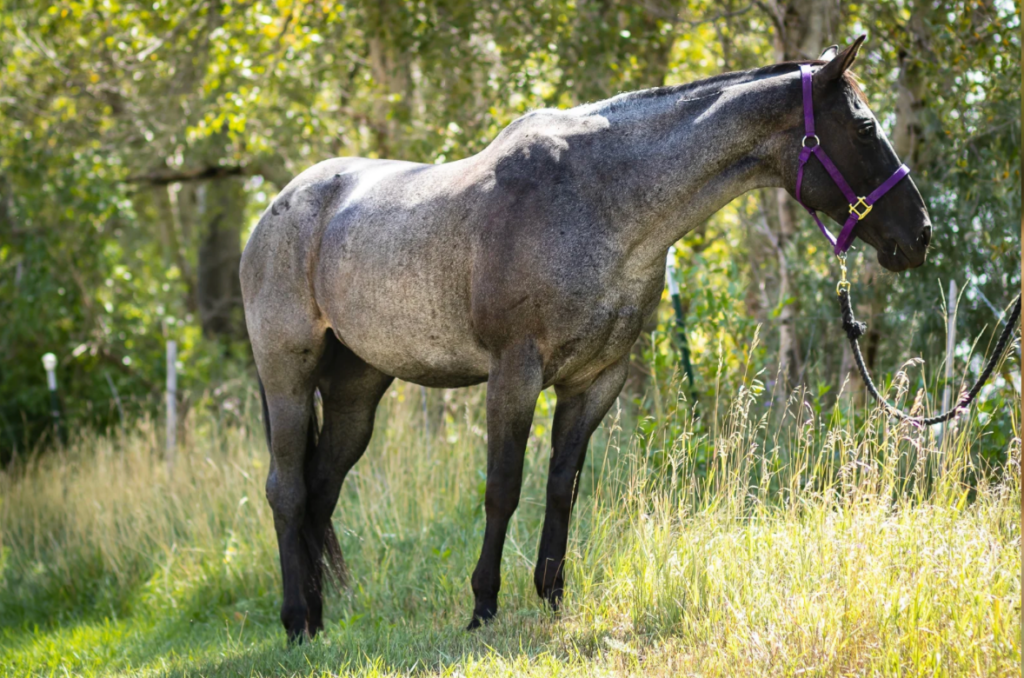
Roans on the other hand are born their distinct color and don’t typically change much throughout their lives. Roans have a base color coat with white hairs or “ticking” dispersed over most of their bodies. Common base colors include chestnut which makes a strawberry roan and black which makes a blue roan, but they can be virtually any color with the roan trait.
The reason roans and greys can get mixed up is despite the roans not changing much in colors throughout their lives, greys often do and can go through phases where they look more like a roan. Greys can start out as pretty much any color before the greying gene takes over, which essentially just drains the pigment from the color over time. This doesn’t have any affect on their health, it’s like people losing color in their hair over time just faster and more widespread.
Regardless of what color horse you get to ride or bond with, they’re all as beautiful and unique as the next.
Frequently Asked Questions
1. Do grey horses eventually turn white?
Many grey horses lighten significantly as they age and may appear nearly white, but genetically they are still grey, not white.
2. Are Appaloosas always spotted?
Not always. While Appaloosas are known for spotted patterns, the size, shape, and number of spots vary greatly. Some may only have a spotted blanket near the hindquarters.
3. Are there any solid color breeds?
Nearly all Friesians are solid black with minimal markings. A truly solid black coat is rare in most breeds, which makes Friesians especially distinctive. The Cleveland Bay is another example, but a completely solid color trait is rare.
4. Do horse colors affect temperament?
No scientific evidence suggests that coat color determines temperament. Personality varies by individual horse, training, and genetics — not coat color.