
Equine Therapy is a relatively new term and concept for a healing practice dating back thousands of years. Those who have had the privilege of bonding with horses can attest to their calming nature, stoic presence, and strong-willed companionship that is unlike any other. To be loved and carried by a horse has been proven to help people struggling with all kinds of different challenges and circumstances. Over time, the ever-evolving bond between humans and horses has merged with scientific and medical breakthroughs, leading to more developed equine therapy programs tailored to an individual’s specific needs. While the circumstances that led to a need for equine therapy are entirely personal, and each version comes with its own benefits, they are all centered around the love and healing powers of horses that are found nowhere else.
Types of Equine Therapy
While there are many different types of equine therapy, the following three versions of equine therapy are arguably the most common. Each facility and trained professional will conduct their equine therapy programs in their own way, which is why choosing the right one for you or your loved one matters deeply. Despite the personalized offerings, each program will follow a fairly similar structure focused on the same outcomes.
Therapeutic Riding
Therapeutic horseback riding is perhaps the most recognizable equine therapy program with a multitude of benefits. Therapeutic riding is focused on emotional, physical and cognitive well-being for the riders but can be adapted to each individual depending on their needs.
Most often, the rider has some sort of physical limitation or difficulty, so one of the primary focuses of these programs is improved motor skills. Horseback riding is incredibly beneficial for developing balance, strength, and coordination given the necessity of these physical skills to stay on and care for the horse, though assistance in doing so is very common throughout the duration of the program.
In addition to the physical benefits, therapeutic riding also helps with cognitive development and/or recovery by facilitating independence and helping the rider gain confidence in their abilities. The sensory inputs from bonding with and riding the horses leads to better emotional regulation and allows riders to develop their individual skills needed at their own pace.

Hippotherapy
This is a fairly new addition to the world of equine therapy, but the benefits of hippotherapy programs are substantial. While anyone is welcome to try hippotherapy, this is a great program for those that have specific needs involving speech, nervous system regulation, or recovery from physical or mental trauma. The riding instructor will often be working alongside a specialized therapist, such as those trained in occupational, speech, or physical therapies. Each individual rider is as unique as their hippotherapy program, but the goals are increased physical coordination and emotional, especially verbal, interaction.
Hippotherapy is less about teaching actual horseback riding skills and more about using the horse and their natural movement as a therapeutic tool. The forward movement is incredible at aiding riders in getting used to the motion of natural walking on their own, and the rhythmic gait of the horse is often very soothing for those who participate in this therapy. The ability to balance upright and the strength required for natural movement is an aspect of life that many of us take for granted, but this is one area where the physical therapy from horseback riding is difficult to top.
While many different people from all backgrounds can benefit from hippotherapy, it has been proven that this kind of equine relationship is substantially beneficial to children with autism. After just a few weeks, parents saw massive improvements in their child’s social interactions, communication, sensory input, and physical abilities. Horses have an amazing way of meeting us where we are, and helping us flourish in ways we never imagined.
Equine-Assisted Psychotherapy
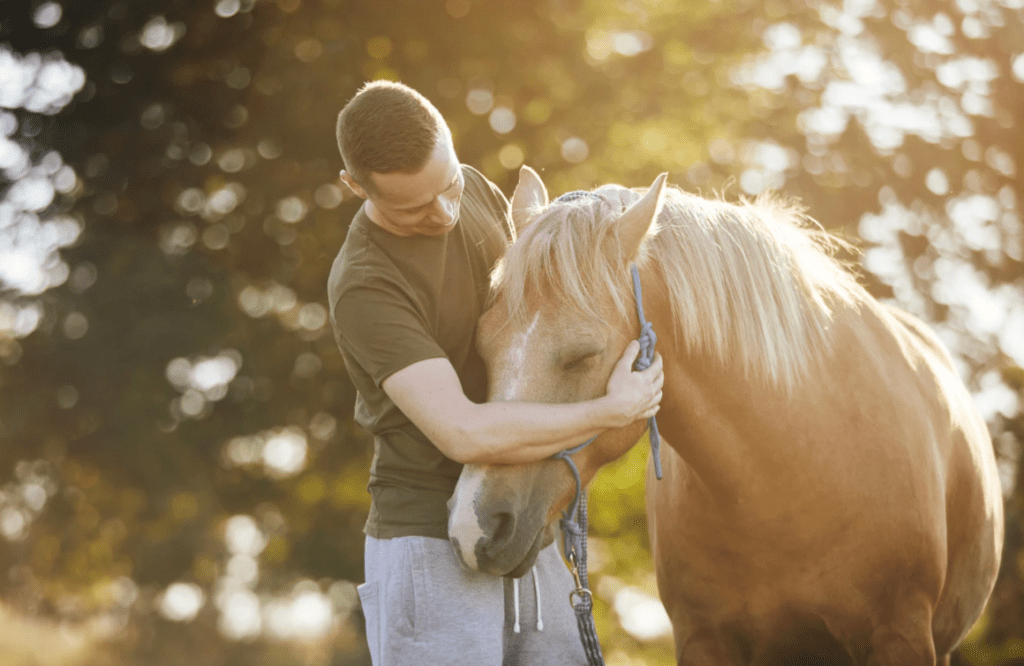
This kind of equine therapy is specifically focused on mental health and emotional well-being. While programs that are specifically Equine-Assisted Psychotherapy, or EAP for short, take place from the ground and don’t involve riding, it can be an incredibly beneficial treatment for those focused on improved mental well-being.
The idea and science behind this kind of therapy is focusing on groundwork as well as building mutual respect and understanding with the horse. This could involve caring for the horse by grooming them, leading them on walks, or simply allowing the horse to interact with you at will with no further intervention. Throughout these sessions led by a trained professional, the students learn more about all types of communication and specifically emotional regulation.
In guided EAP sessions, the student will be focused on noticing how they feel both physically and mentally while learning how to relieve stress and regulate themselves. During this time, they will learn how sensitive and understanding horses are to our well-being without needing to verbalize it, and how our interactions with them reflect our inner self. Many students quickly learn just how intuitive horses are to us, and are able to gain a better understanding of self-regulation through the horse’s calming nature.
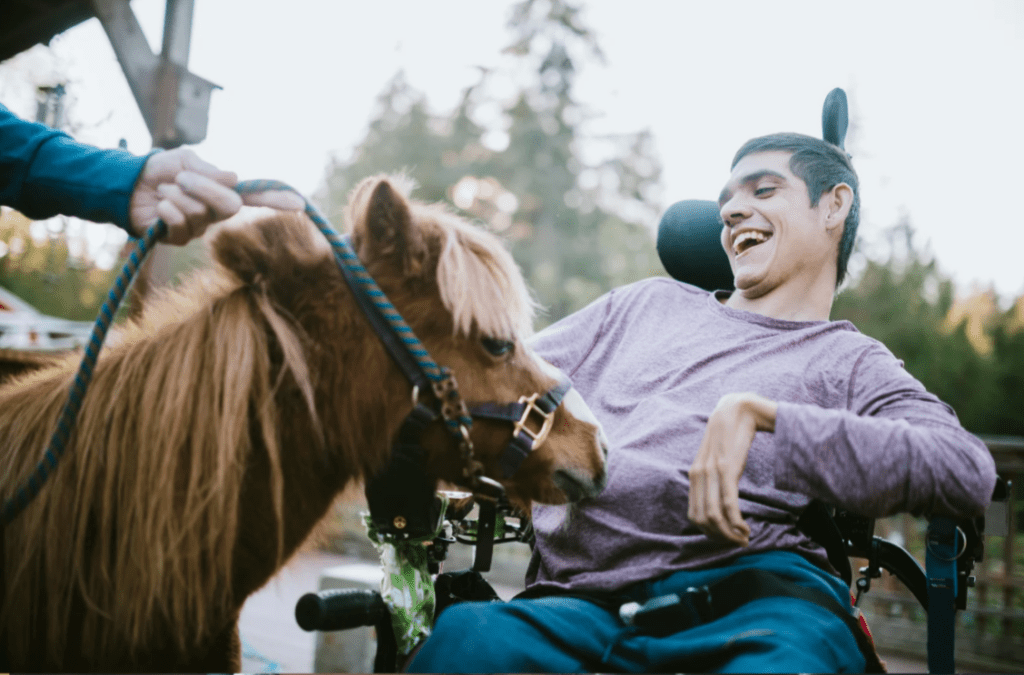
The numerous, scientifically proven benefits of equine therapy make it one of the most effective forms of treatment for many riders, but the joy that comes from bonding with horses is perhaps the most healing aspect of all.
Frequently Asked Questions
1. Do all equine therapy programs involve riding?
No, not all programs involve riding. Programs like EAP focus more on groundwork and connection but typically do not involve riding. If riding is something you may be afraid of, starting with an EAP program is a great first step in getting to know horses.
2. Is equine therapy backed by science?
Yes. Research supports its benefits for motor skills, emotional regulation, social development, trauma recovery, and much more. New discoveries are being made every day, but equine therapy has proven to help many people from all walks of life.
3. How does hippotherapy help with speech development?
The rhythmic motion of the horse stimulates neurological pathways that support speech and language development. If a speech therapist is involved, verbal communication is also typically part of the therapy session.
4. Why are horses effective therapy animals?
Horses are highly intuitive and responsive to human emotions, making them powerful partners in emotional awareness. Despite their large size, they truly are gentle giants that can help foster healing in many ways.
5. Is equine therapy safe?
When conducted by trained professionals at reputable facilities, equine therapy prioritizes safety and structured supervision.